


Solar ModulesResources Center

Residential Scenario NEOSTAR Series
Extreme Efficiency, Pure Black Aesthetics
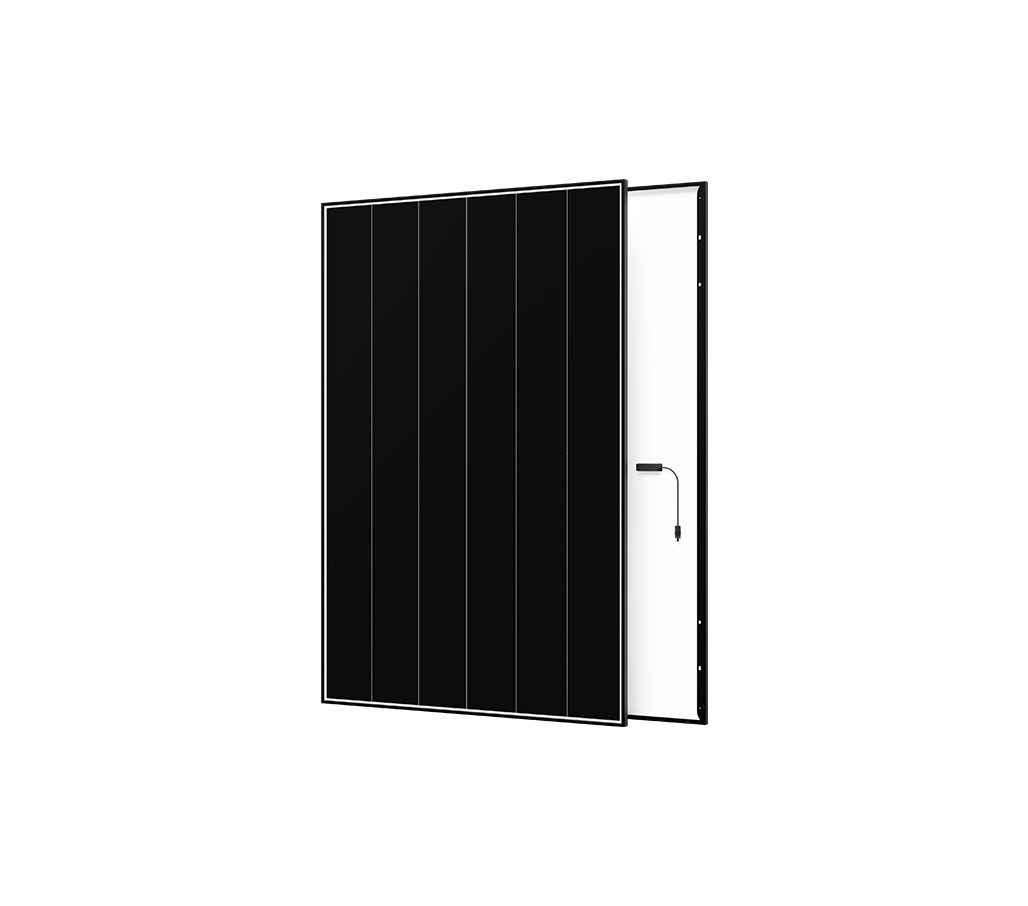
NEOSTAR 3P54 Mono-Glass 475W-500W
Partial Shading Optimisation | Better Temperature Coefficient | High Temperature Restriction | Micro-crack Resistance | Higher Power | Lower BOS | More Aesthetic Values | Infinite Technology
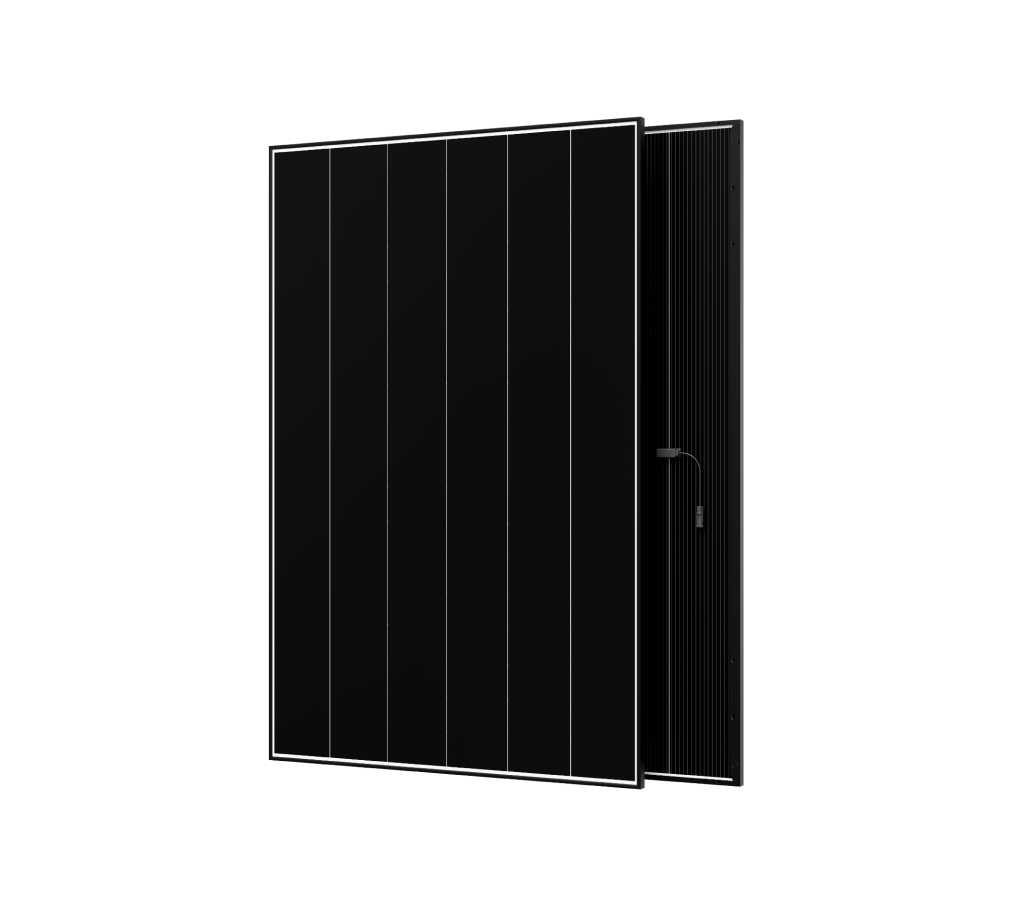
NEOSTAR 3P+54 Dual-Glass 470W-485W
Partial Shading Optimisation | Better Temperature Coefficient | High Temperature Restriction | Micro-crack Resistance | Higher Power | Lower BOS | More Aesthetic Values | Infinite Technology
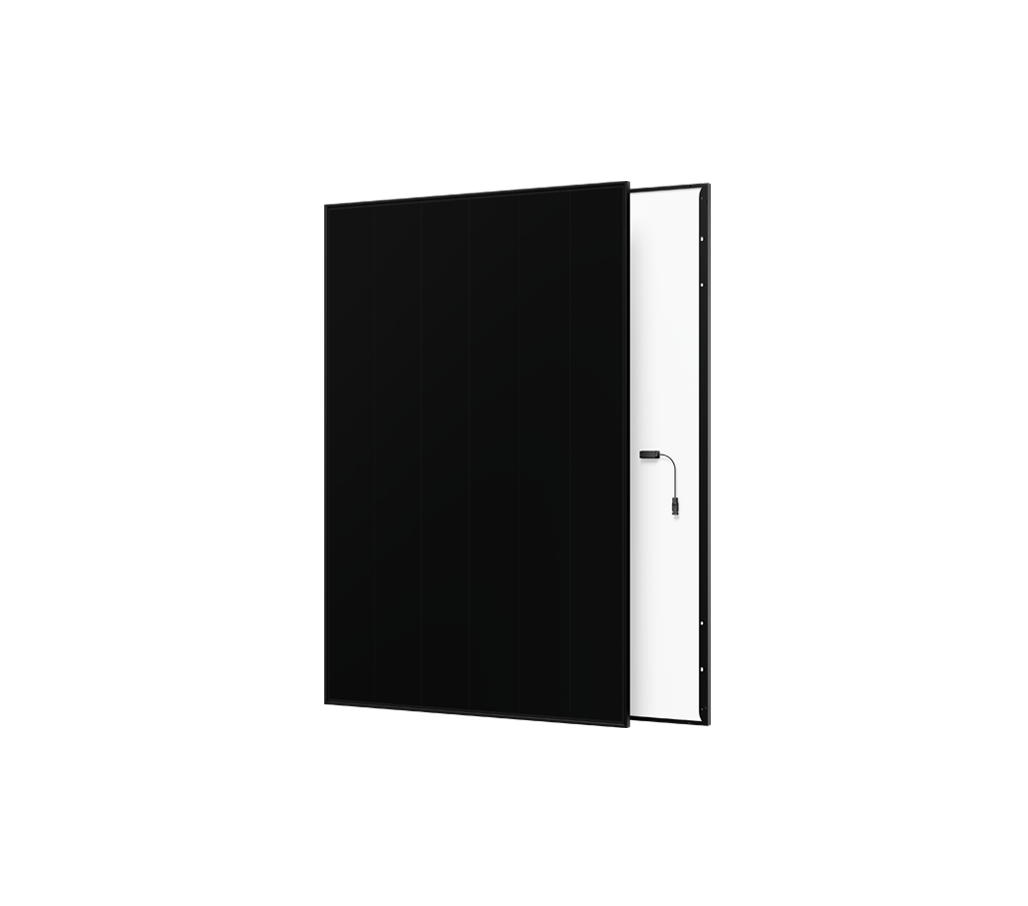
NEOSTAR 3S54 Mono-Glass 465W-495W
Partial Shading Optimisation | Better Temperature Coefficient | High Temperature Restriction | Micro-crack Resistance | Higher Power | Lower BOS | More Aesthetic Values | Infinite Technology
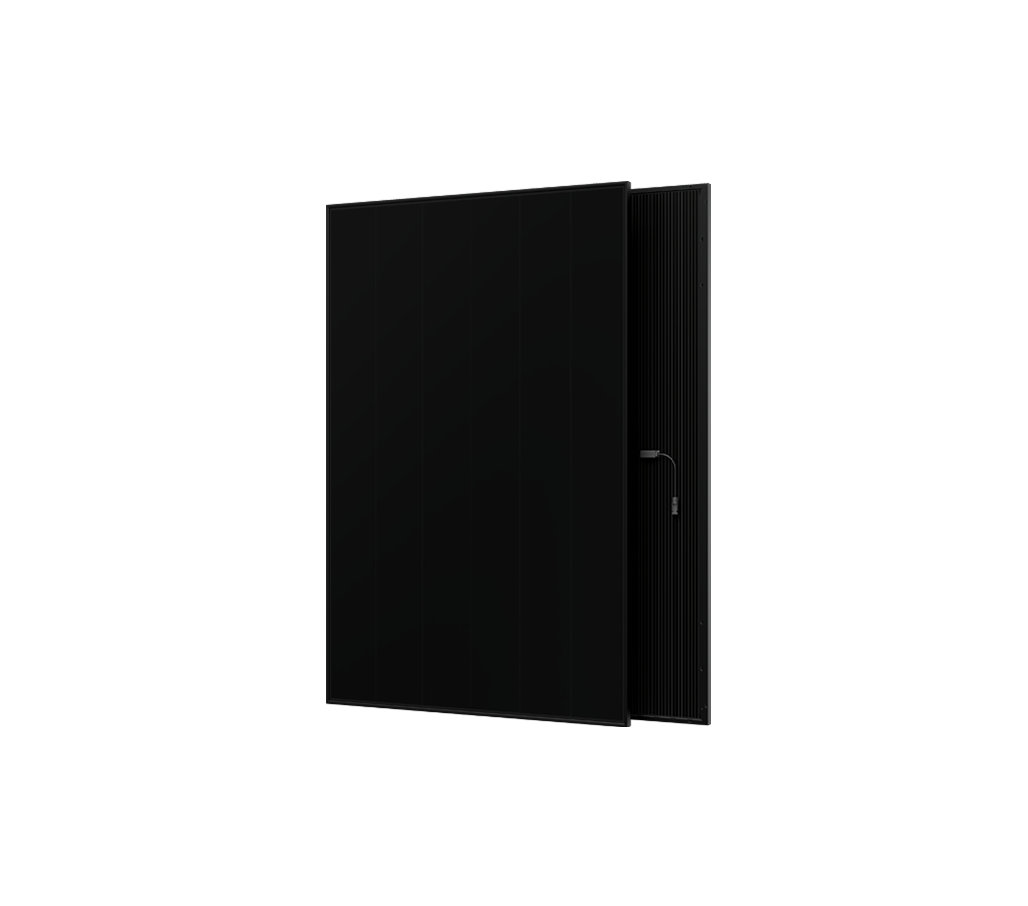
NEOSTAR 3S+54 Dual-Glass 470W-485W
Partial Shading Optimisation | Better Temperature Coefficient | High Temperature Restriction | Micro-crack Resistance | Higher Power | Lower BOS | More Aesthetic Values | Infinite Technology
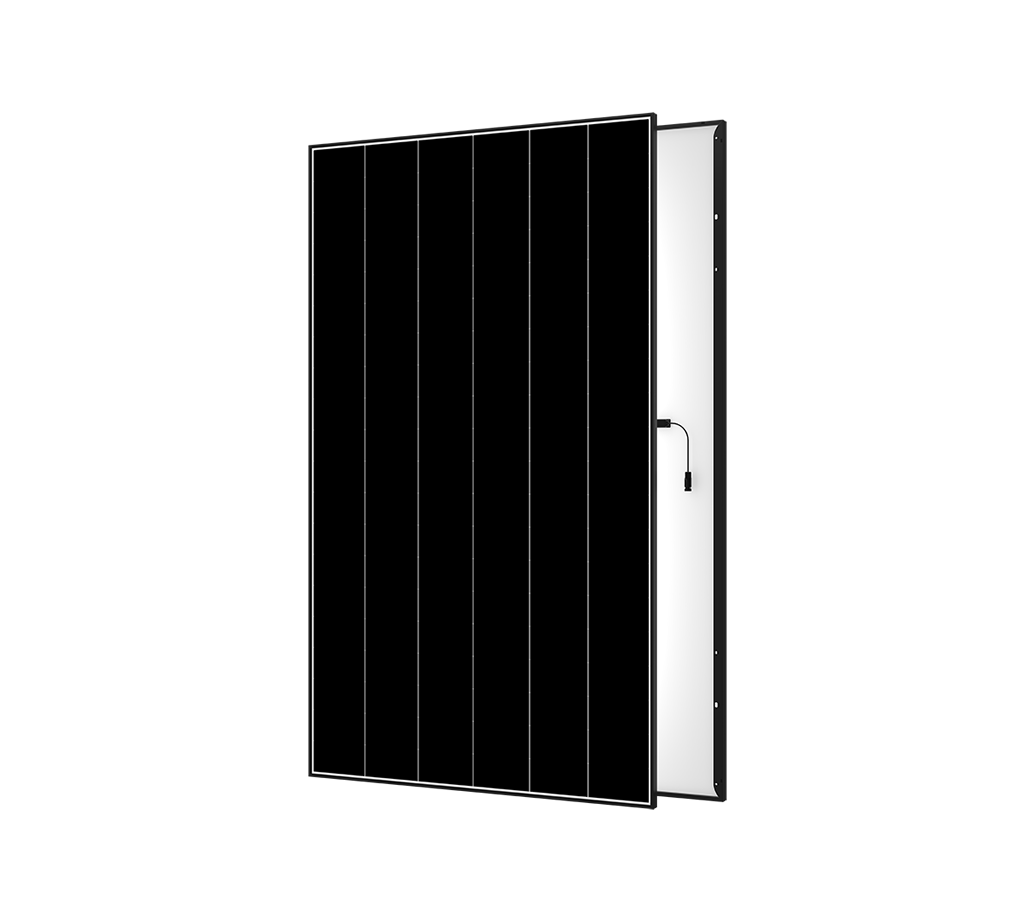
NEOSTAR 3P60 Mono-Glass 530W-555W
Partial Shading Optimisation | Better Temperature Coefficient | High Temperature Restriction | Micro-crack Resistance | Higher Power | Lower BOS | More Aesthetic Values | Infinite Technology
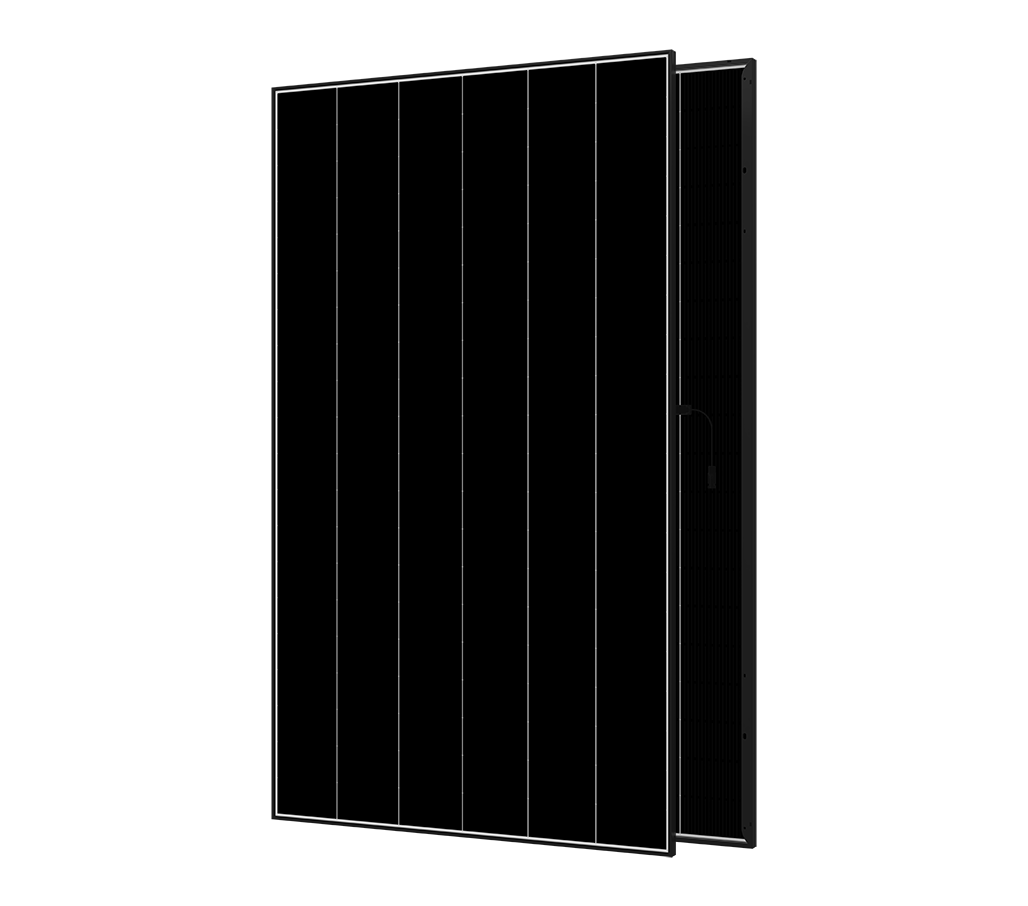
NEOSTAR 3P+60 Dual-Glass 530W-550W
Partial Shading Optimisation | Better Temperature Coefficient | High Temperature Restriction | Micro-crack Resistance | Higher Power | Lower BOS | More Aesthetic Values | Infinite Technology
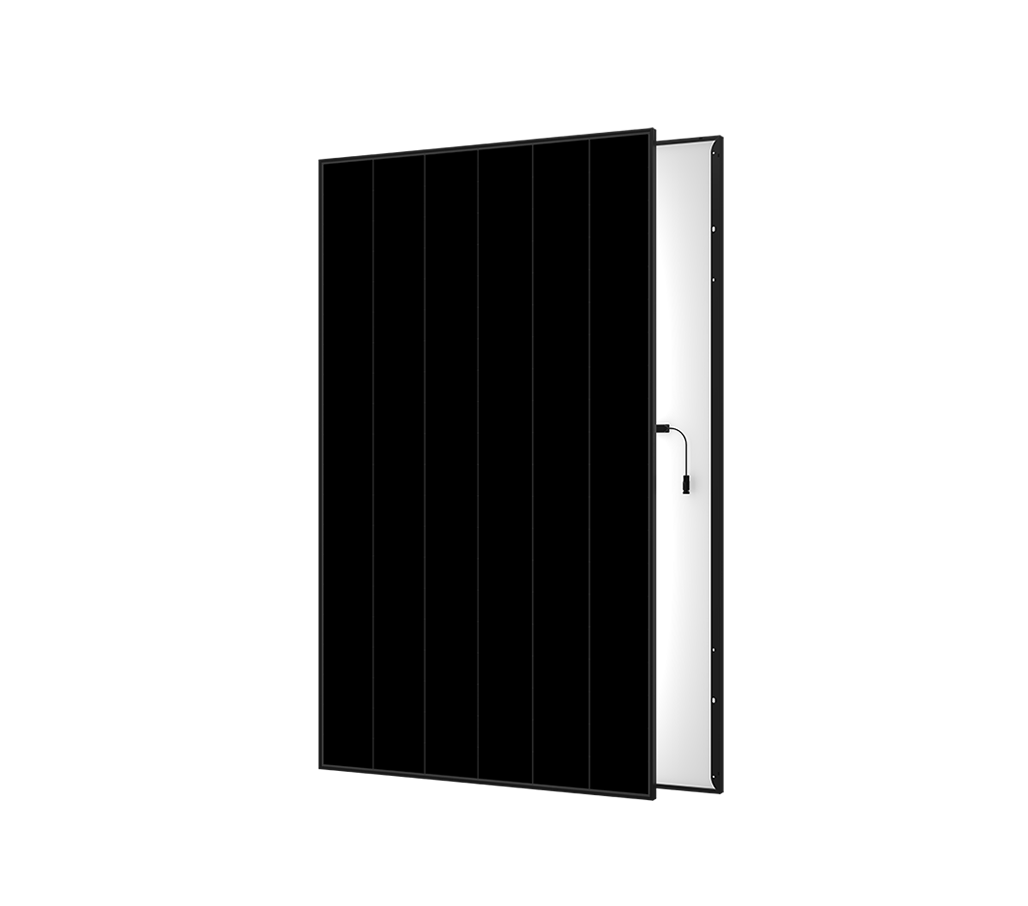
NEOSTAR 3S60 Mono-Glass 530W-555W
Partial Shading Optimisation | Better Temperature Coefficient | High Temperature Restriction | Micro-crack Resistance | Higher Power | Lower BOS | More Aesthetic Values | Infinite Technology
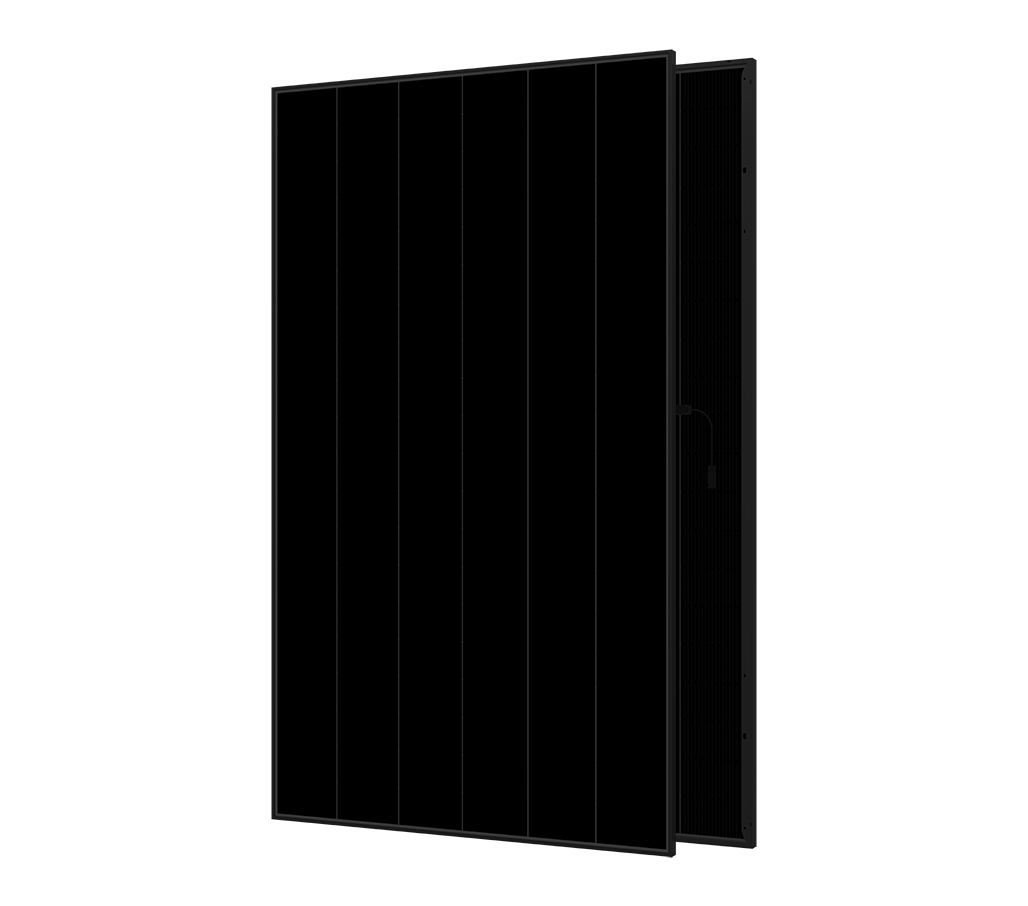
NEOSTAR 3S+60 Dual-Glass 530W-550W
Partial Shading Optimisation | Better Temperature Coefficient | High Temperature Restriction | Micro-crack Resistance | Higher Power | Lower BOS | More Aesthetic Values | Infinite Technology
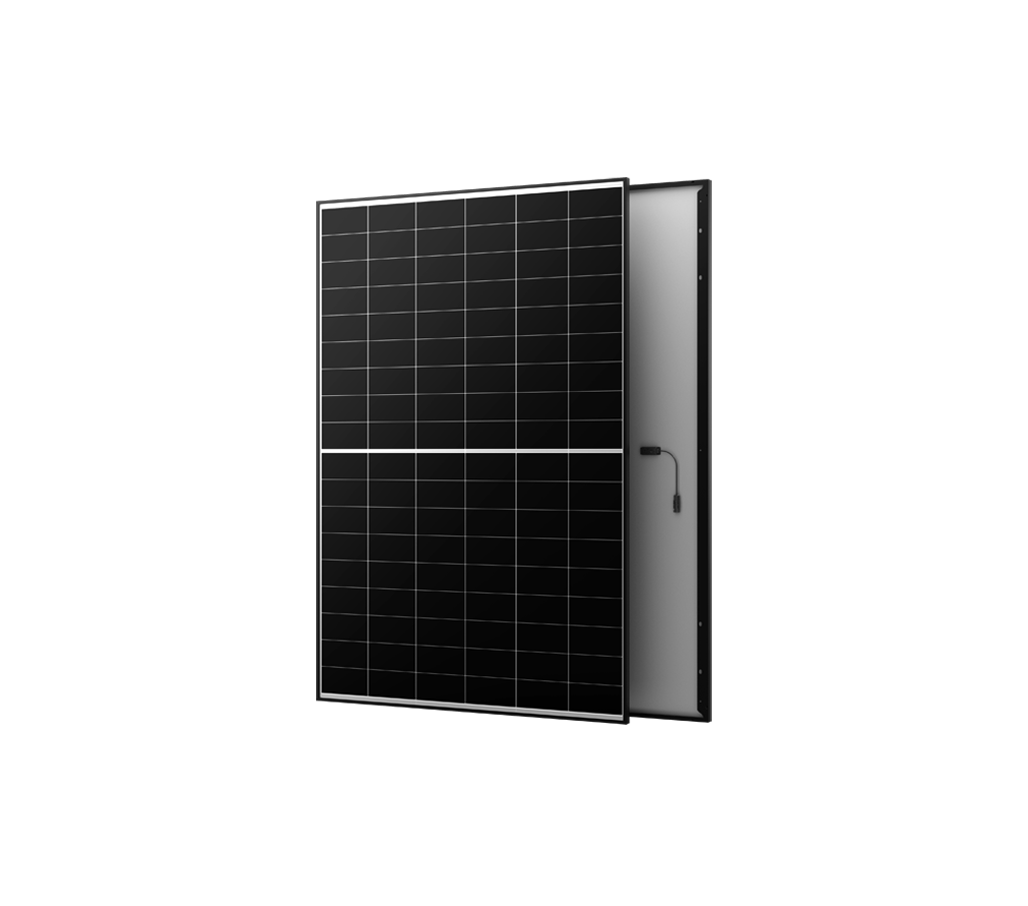
NEOSTAR 2P54 Mono-Glass 450W-485W
Partial shading optimization | Better temperature coefficient | High temperature restriction | Micro-crack resistance
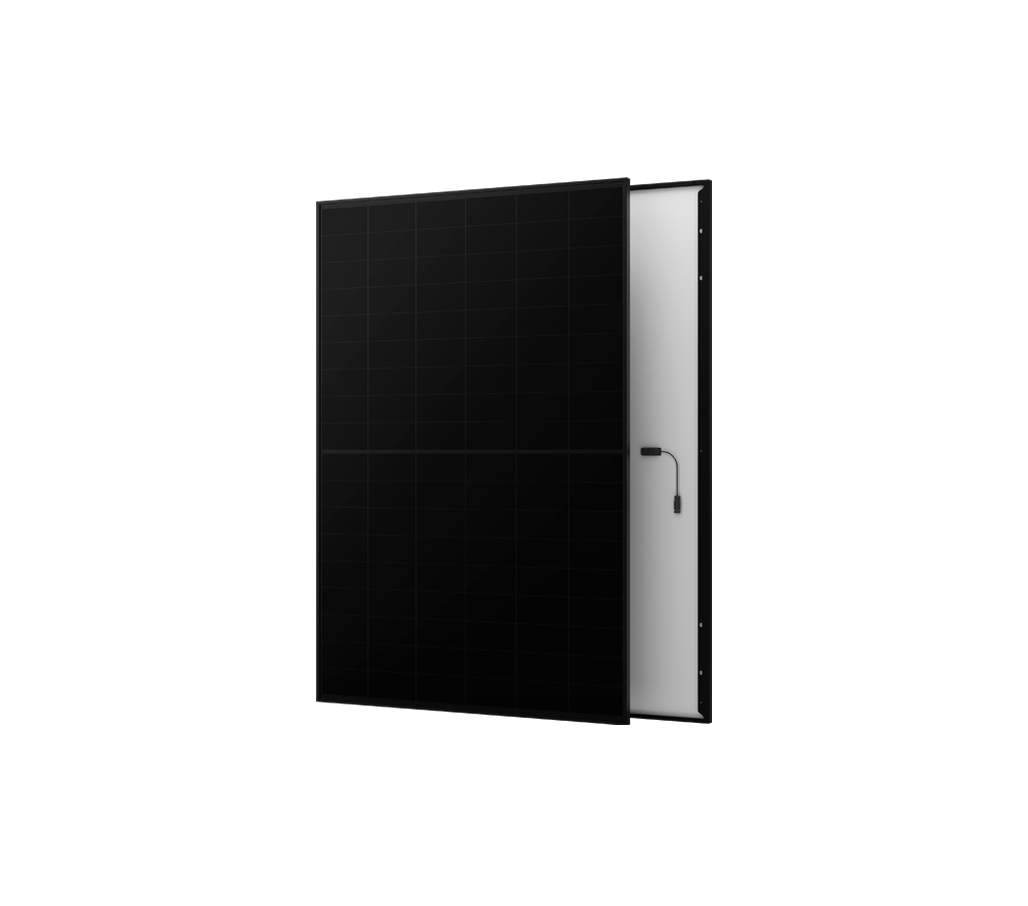
NEOSTAR 2S54 Mono-Glass 440W-470W
Partial shading optimization | Better temperature coefficient | High temperature restriction | Micro-crack resistance
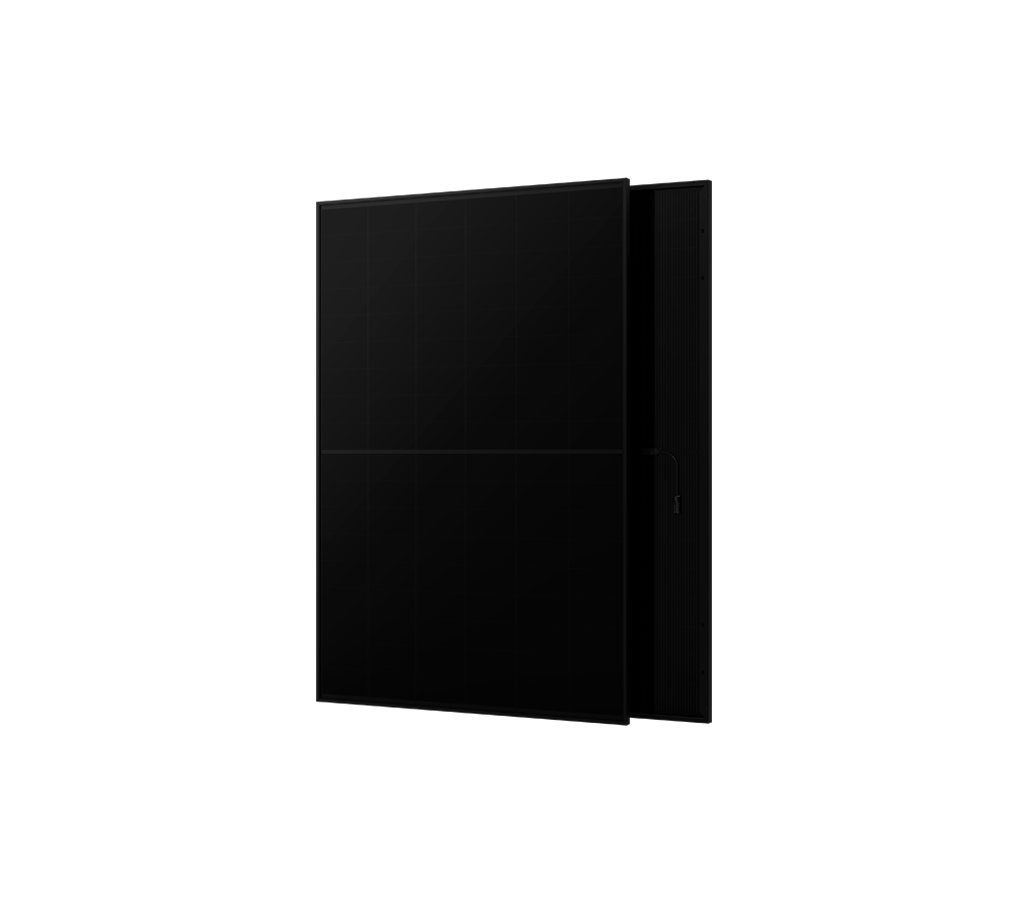
NEOSTAR 2S+54 Mono-Glass 440W-475W
Partial shading optimization | Better temperature coefficient | High temperature restriction | Micro-crack resistance
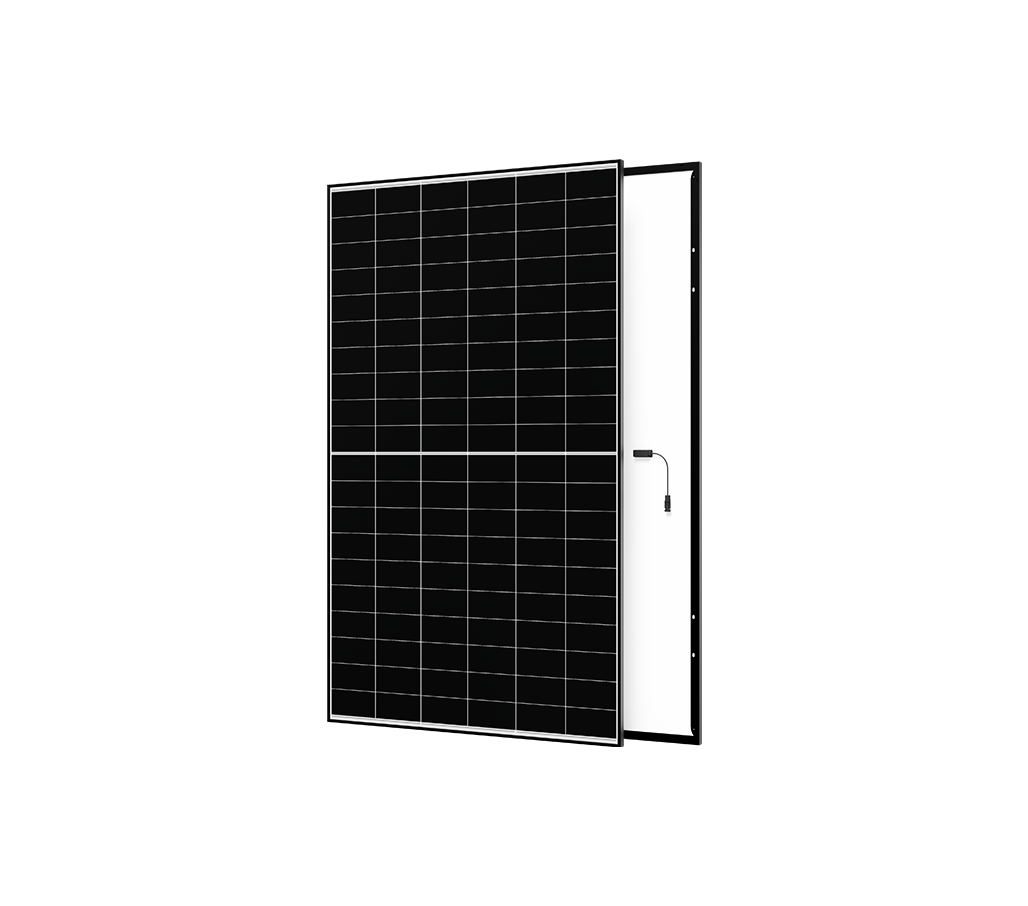
NEOSTAR 2P60 Mono-Glass 500W-525W
Partial Shading Optimisation | Better Temperature Coefficient | High Temperature Restriction | Micro-crack Resistance | Higher Power | Lower BOS | More Aesthetic Values
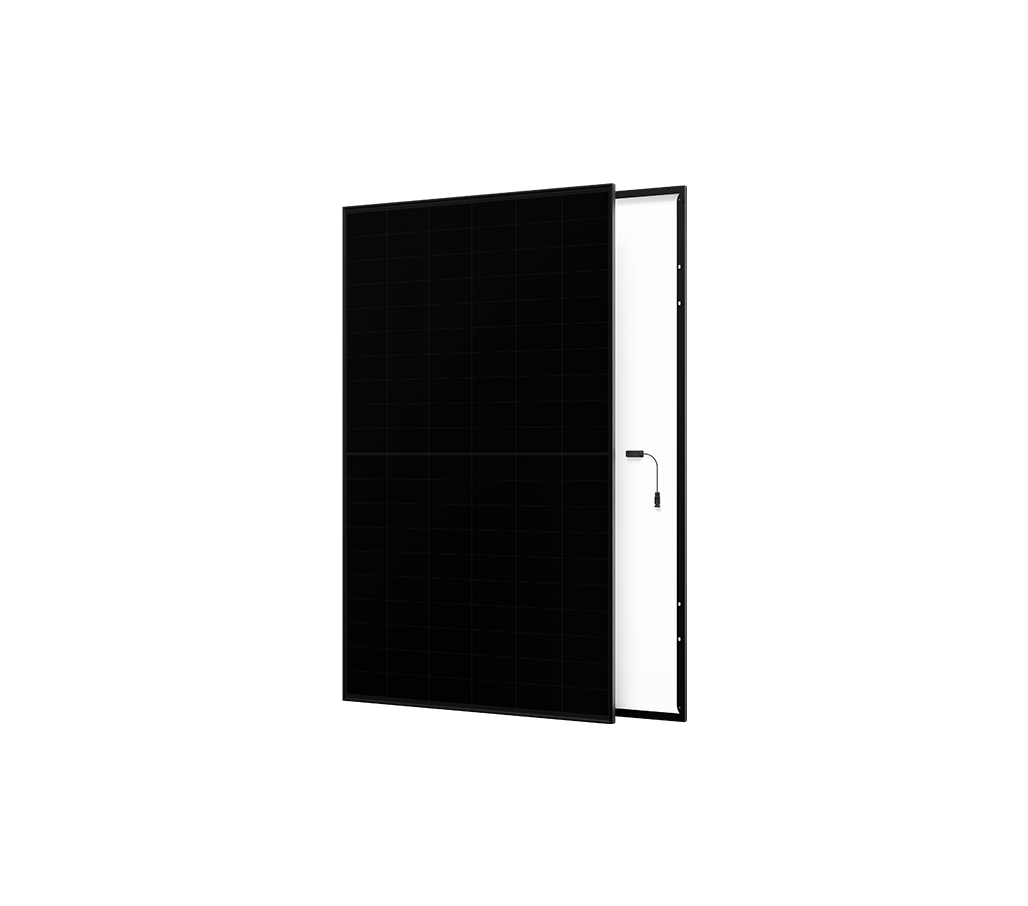
NEOSTAR 2S60 Mono-Glass 500W-515W
Better temperature coefficient | Micro-crack resistance
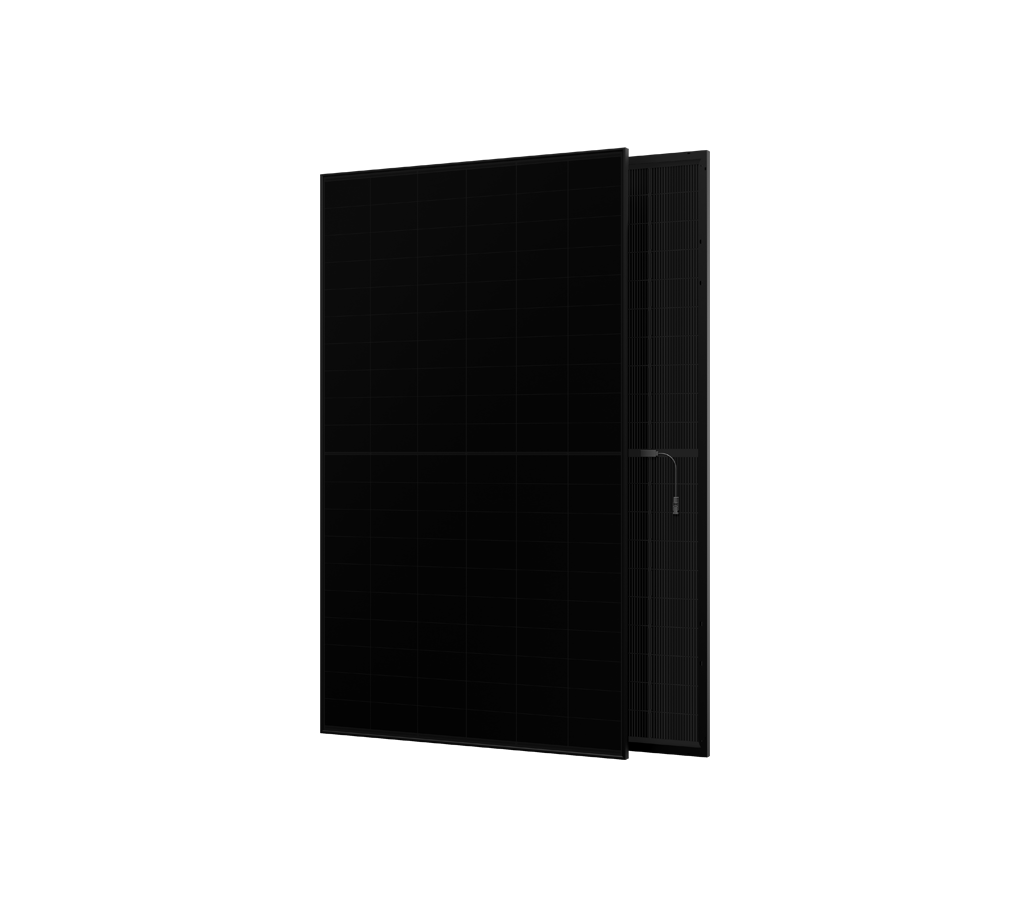
NEOSTAR 2S+60 Dual-Glass 500W-520W
Partial Shading Optimisation | Better Temperature Coefficient | High Temperature Restriction | Micro-crack Resistance | Higher Power | Lower BOS | More Aesthetic Values
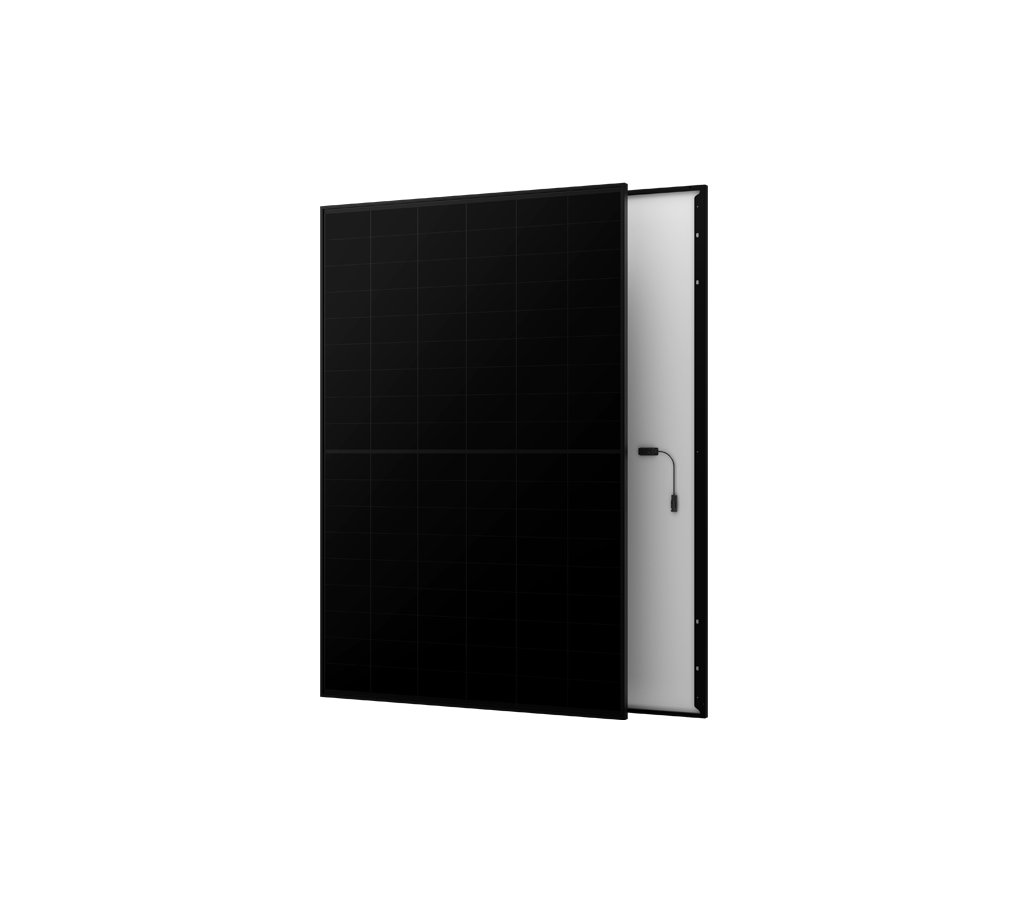
NEOSTAR 1S54 Mono-Glass 430W-450W
Better temperature coefficient | Micro-crack resistance
Crystalline Silicon PV Modules for Residential, Commercial and Utility Scenarios

C&I Scenario COMET Series
Higher Return Rate in Same Payback Period
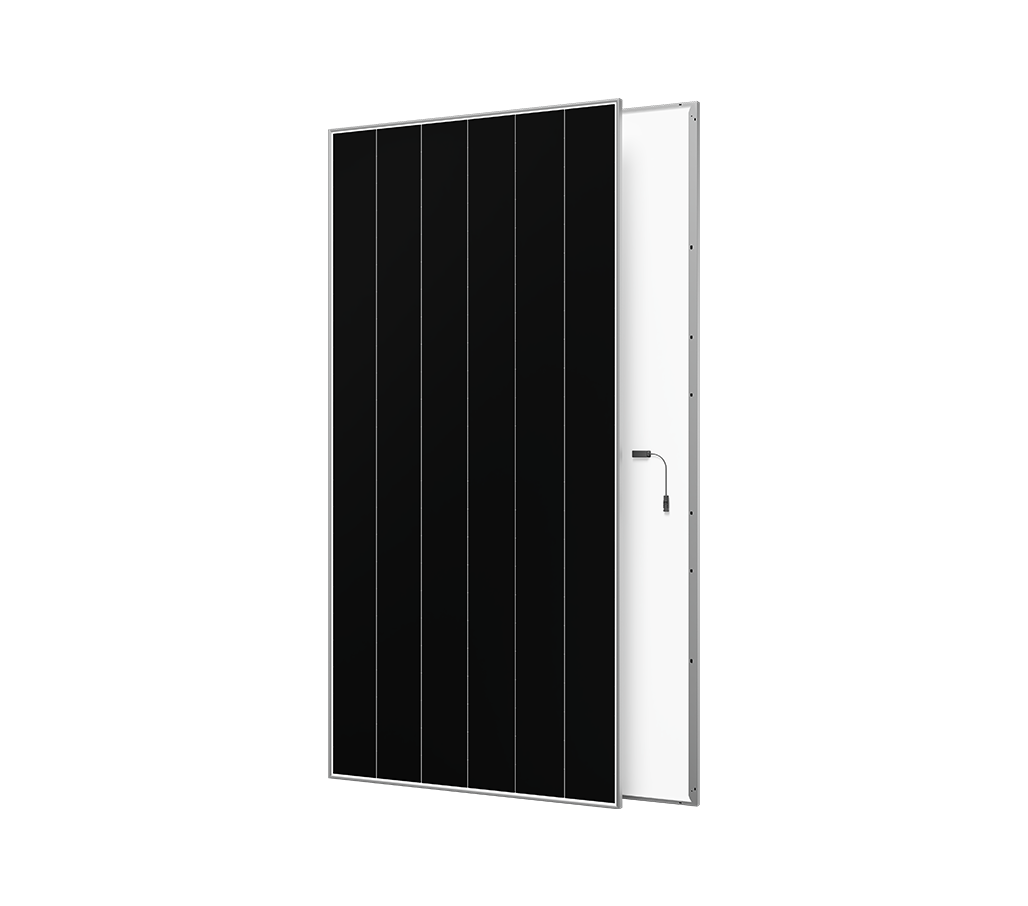
COMET 3N72 Mono-Glass 660W-690W
Partial Shading Optimisation | Better Temperature Coefficient | High Temperature Restriction | Micro-crack Resistance | Higher Power | Lower BOS | More Aesthetic Values | Infinite Technology
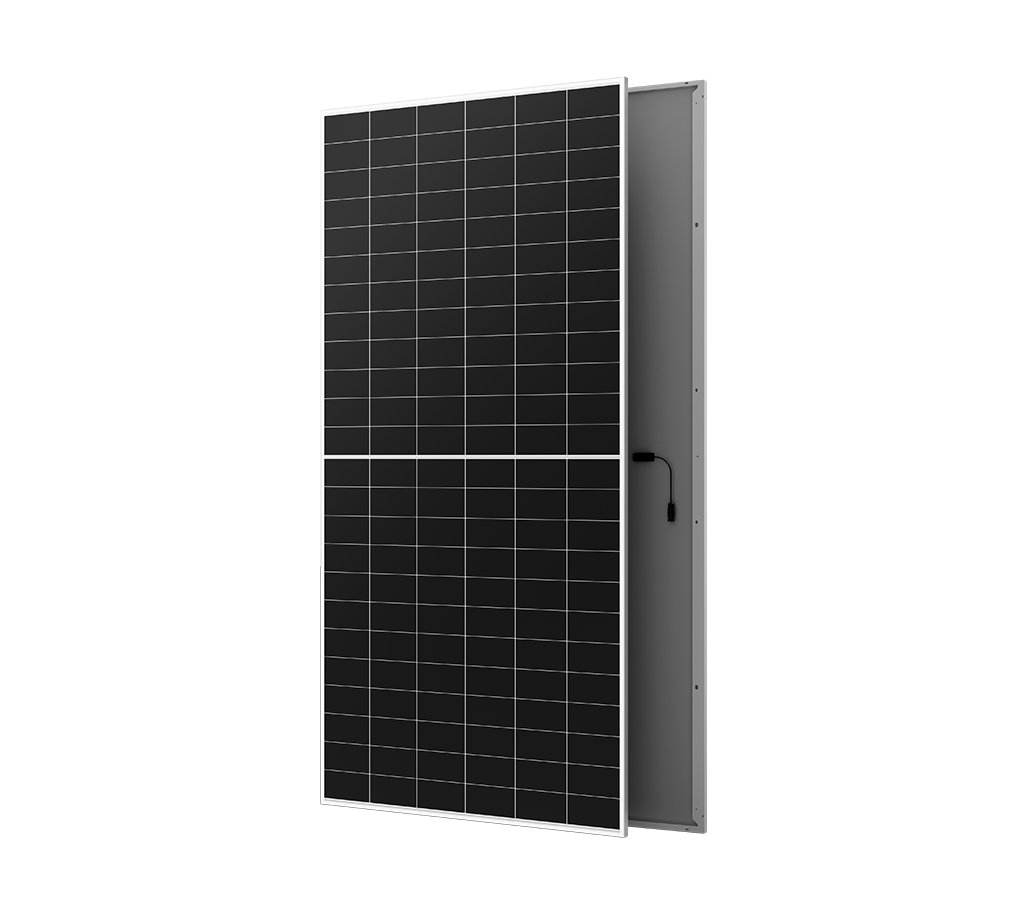
COMET 2U72 Mono-Glass 640W-670W
Partial shading optimization | Better temperature coefficient | High temperature restriction | Micro-crack resistance
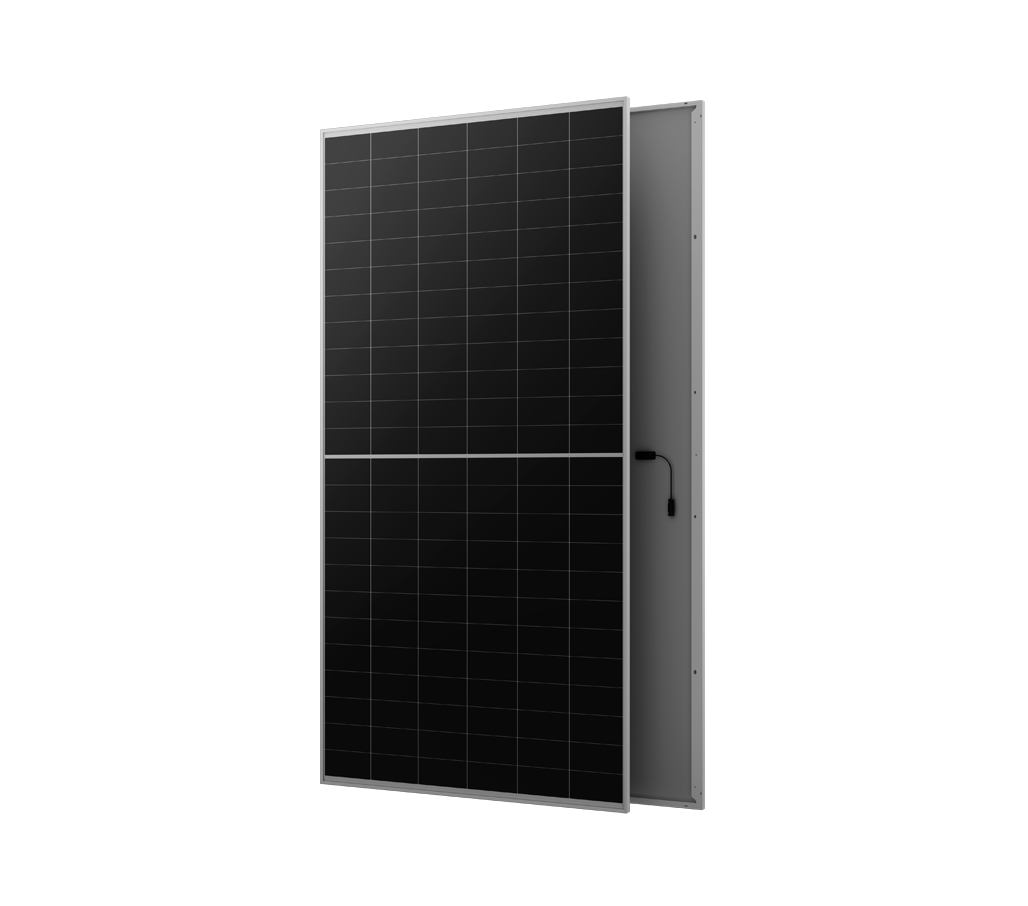
COMET 2N72 Mono-Glass 605W-630W
Partial shading optimization | Better temperature coefficient | High temperature restriction | Micro-crack resistance
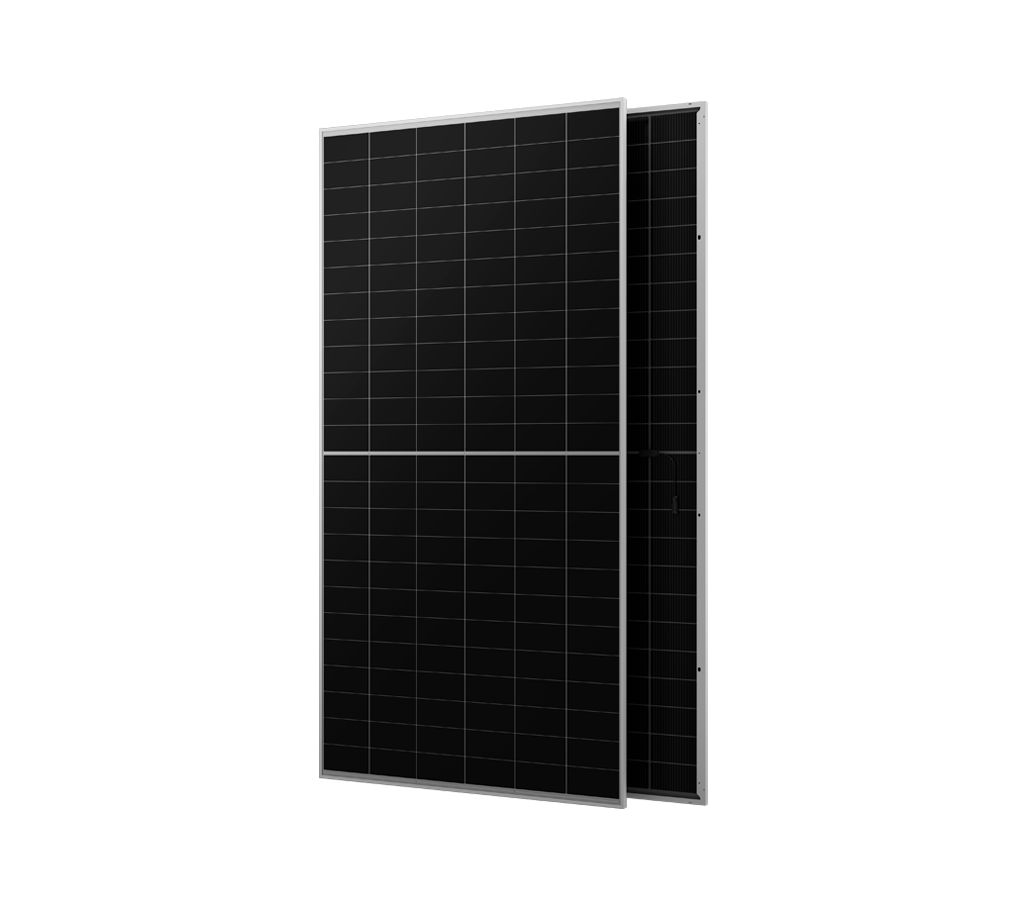
COMET 2N+72 Dual-Glass 600W-625W
Partial shading optimization | Better temperature coefficient | High temperature restriction | Micro-crack resistance
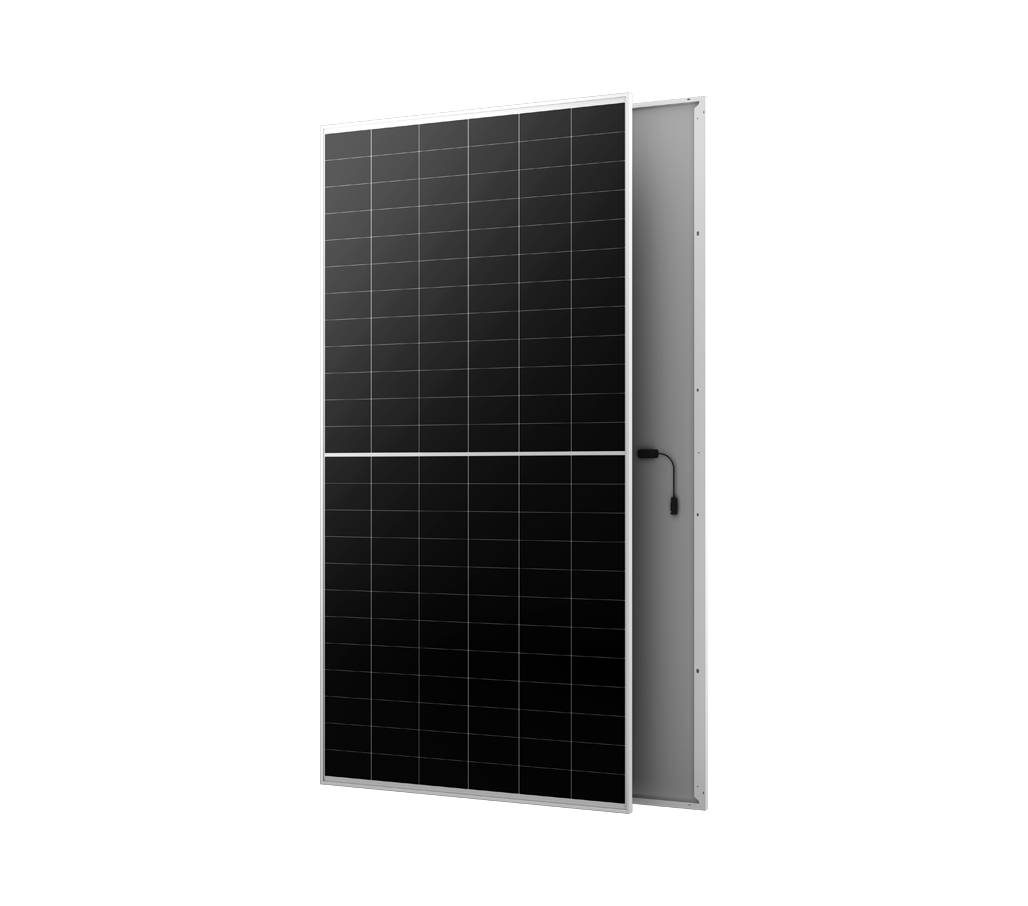
COMET 1N72 Mono-Glass 590W-615W
Partial shading optimization | Better temperature coefficient | High temperature restriction | Micro-crack resistance

Utility Scenario STELLAR Series
Higher Power Output | Lower LCOE | Bifacial Solar Modules

STELLAR 3N+72 Dual-Glass 655W-675W
Partial Shading Optimisation | Better Temperature Coefficient | High Temperature Restriction | Micro-crack Resistance | Higher Power | Lower BOS | More Aesthetic Values | Infinite Technology
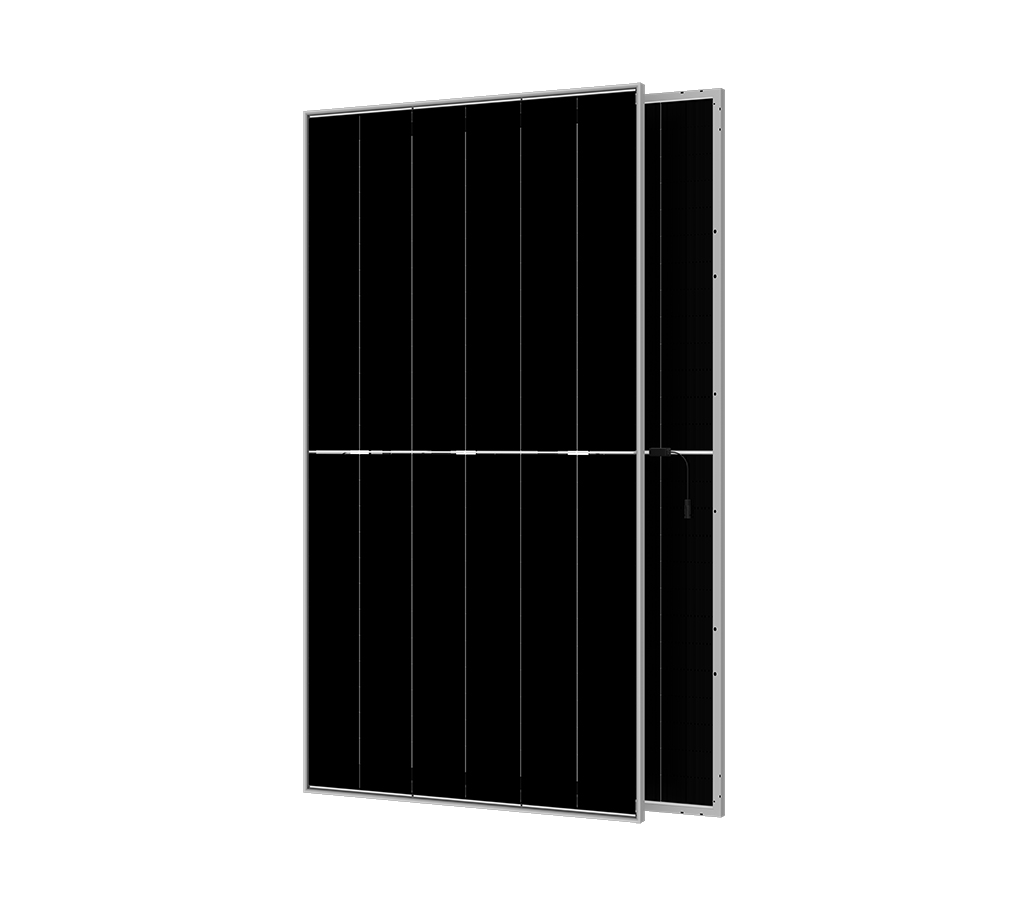
STELLAR 2N+78 Dual-Glass 765W-800W
Partial shading optimization | Better temperature coefficient | High temperature restriction | Micro-crack resistance
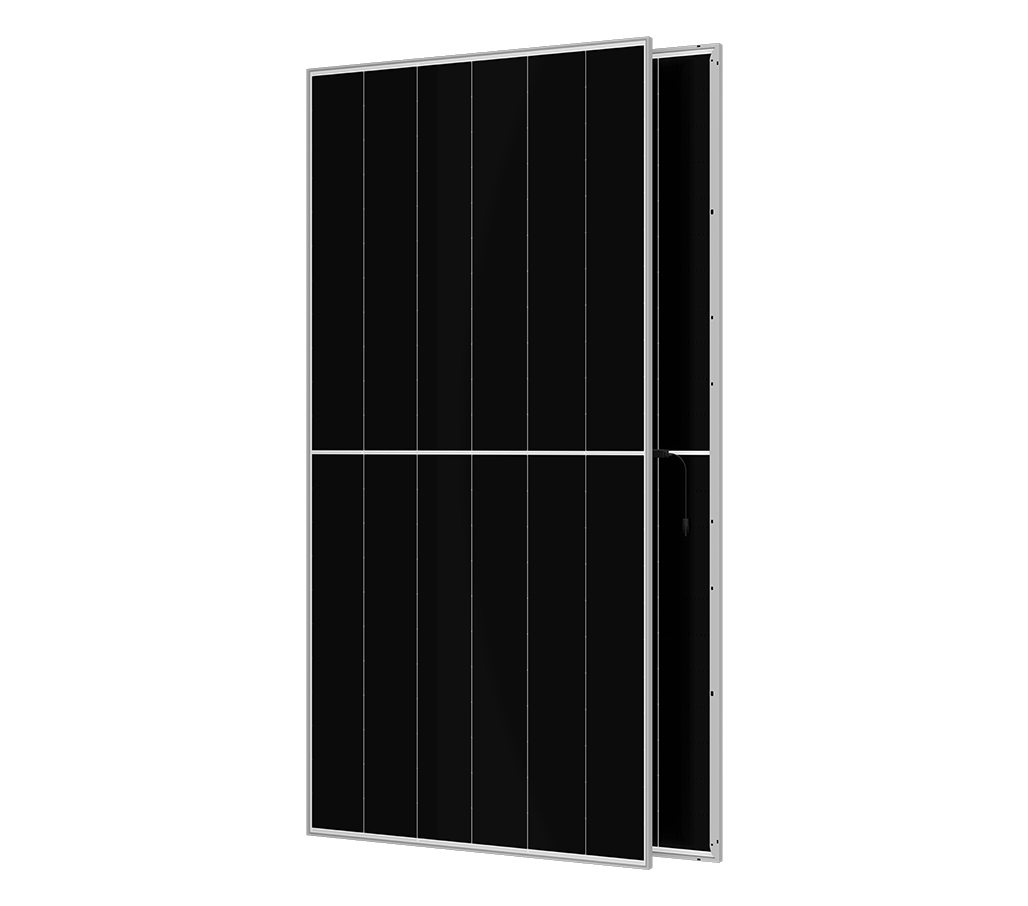
STELLAR 2N+66 Dual-glass Bifacial 645W-680W
Partial shading optimization | Better temperature coefficient | High temperature restriction | Micro-crack resistance
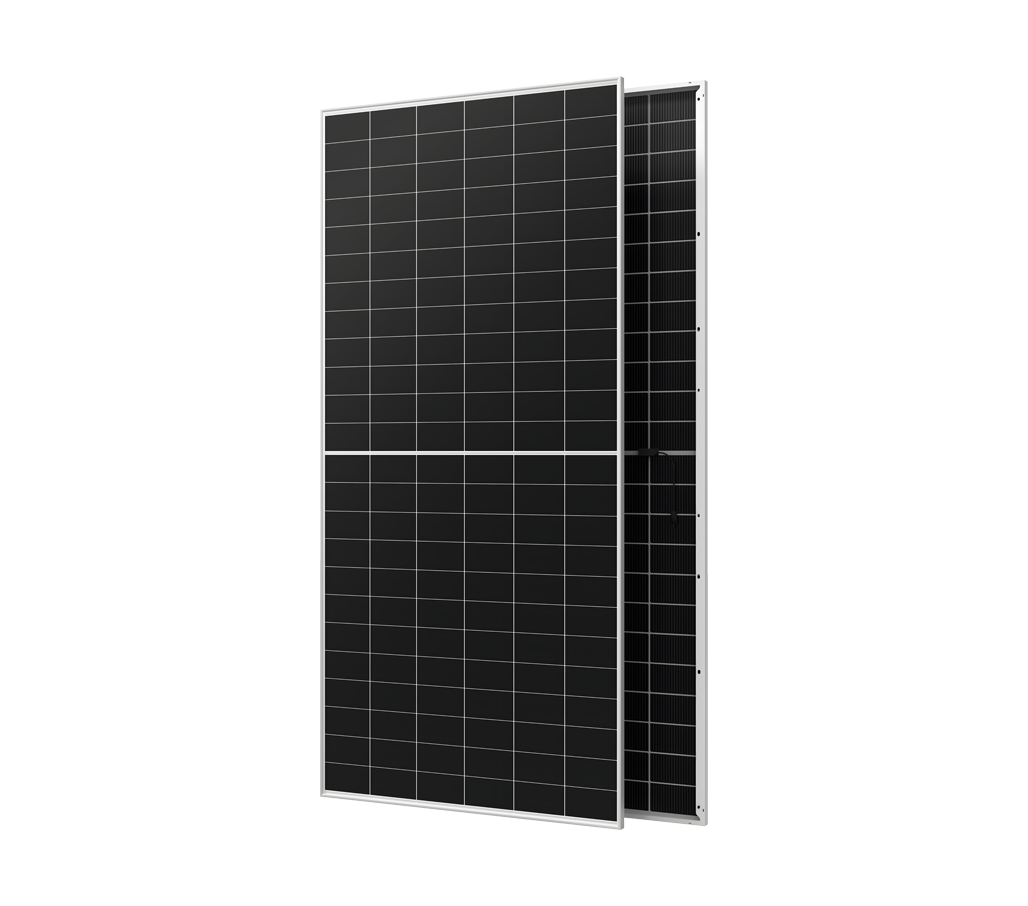
STELLAR Polaris 1N+72 Dual-glass Bifacial 635W-660W
Partial shading optimization | Better temperature coefficient | High temperature restriction | Micro-crack resistance
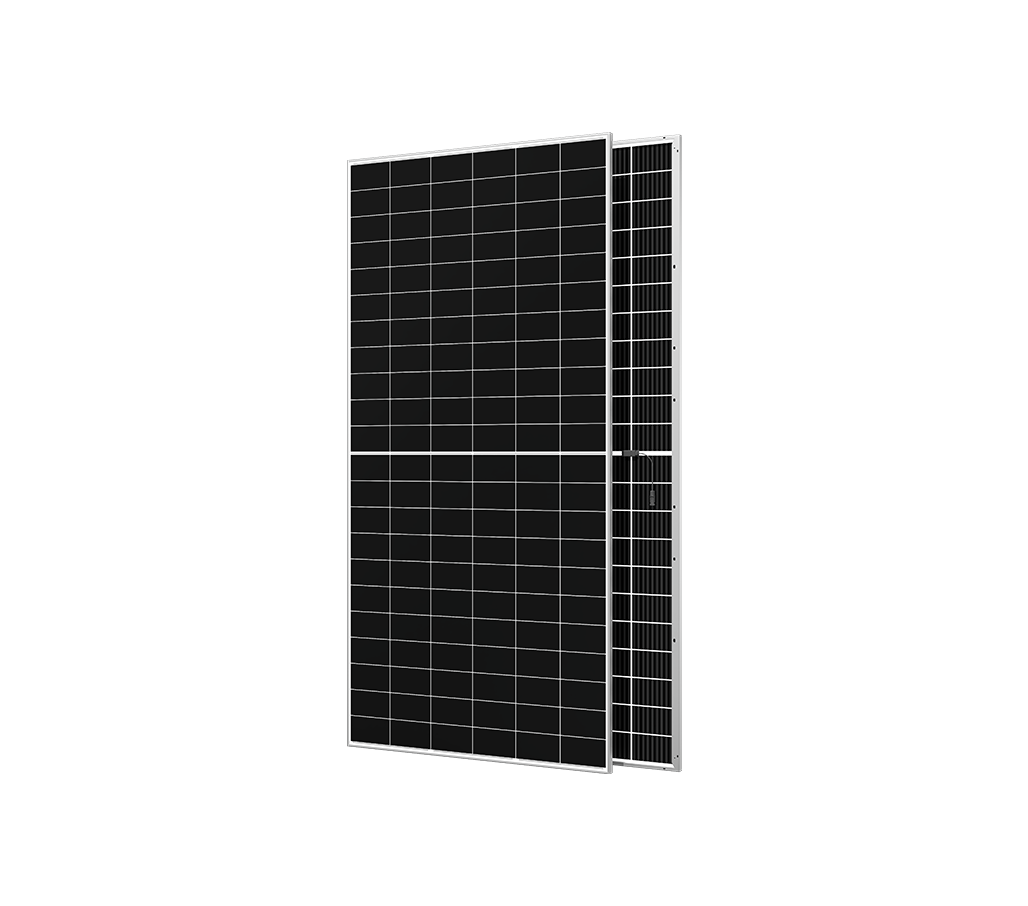
STELLAR 1N+66 Dual-Glass 635W-665W
Partial Shading Optimisation | Better Temperature Coefficient | High Temperature Restriction | Micro-crack Resistance | Higher Power | Lower BOS | More Aesthetic Values
Frequent Asked Questions
Find answers to common questions about AIKO high-efficiency solar products.
01 Are AIKO panels approved for use in Australia?
Yes! AIKO panels are Clean Energy Council (CEC) listed, meet all
Australian safety and performance standards, and come with local
support and warranty coverage.
02 Can AIKO Solar PV Module be installed in Australia’s cyclone-prone regions such as NT or Northwestern Australia (WA)?
Yes, AIKO Neostar PV modules have successfully passed rigorous cyclone
testing, confirming their suitability for installations in
cyclone-prone areas of Australia, meeting the requirements for cyclonic
regions.
03 Where can I buy AIKO PV Solar Module product in Australia and New Zealand and is it available?
Yes, please contact your AIKO Solar distributor in order to define the
order procedures.
04 What is the welding technology of ABC cells?
Traditional cells use Z-shaped welding on both front and back; ABC cell
electrodes are all on the back side, adopting linear welding, which
makes stress distribution on cells more even. When the module is under
external force, the ABC module’s welding strip bears most of the
deformation force, thus greatly reducing the risk of cell breakage.
05 What are the naming rules for ABC module product models?
The model consists of 9 parts with 17 characters, example format:
AAAA-BPPP-CCXYYZαβ. Meanings and values are:
Position 1-4: Company name (4 chars) code AIKO, a dash “-” follows the name
Position 5-6: Cell technology (1 char, 2 when combined) A ABC(MBB), B PBC(MBB), P PERC, T TOPCon, H HJT/HIT; regular ABC uses A, two chars when technologies combine
Position 7-9: Module power (3 chars) typical 580, 590, 600, a dash “-” follows the power
Position 10-11: Cell size (2 chars) GC 210×210(G12), GR 210×182(G12R), MA 182×182/184/188, MD 182×196, GT 182×214, M6 166×166, MC 182×192
Position 12: Cell slice type (1 char) H Half, T Triple, E Infinite(full-screen)
Position 13-14: Cells in module (2 chars) 78, 72, 66, 60, 54 (numbers show cell count per module)
Position 15: Module type (1 char) M mono-facial, D dual-glass bifacial, T thin/light, P dual-glass mono
Position 16: Module color (1 lower-case char) b black, w white, m mix; omit for frameless dual-glass modules
Position 17: Others (1 char) S Smart Junction Box, O Optimizer, L Laminates; blank if none
Example 1 AIKO-A610-MAH72Mb: AIKO company, A ABC cell, 610 W power, MA 182 mm series cell, H half-cut, 72 cells, M mono-facial, b full-black
Example 2 AIKO-A660-MDE72Dw: AIKO company, A ABC cell, 660 W power, MD 182×196 mm cell, E full-screen, 72 cells, D dual-glass bifacial, w white background white frame
Position 1-4: Company name (4 chars) code AIKO, a dash “-” follows the name
Position 5-6: Cell technology (1 char, 2 when combined) A ABC(MBB), B PBC(MBB), P PERC, T TOPCon, H HJT/HIT; regular ABC uses A, two chars when technologies combine
Position 7-9: Module power (3 chars) typical 580, 590, 600, a dash “-” follows the power
Position 10-11: Cell size (2 chars) GC 210×210(G12), GR 210×182(G12R), MA 182×182/184/188, MD 182×196, GT 182×214, M6 166×166, MC 182×192
Position 12: Cell slice type (1 char) H Half, T Triple, E Infinite(full-screen)
Position 13-14: Cells in module (2 chars) 78, 72, 66, 60, 54 (numbers show cell count per module)
Position 15: Module type (1 char) M mono-facial, D dual-glass bifacial, T thin/light, P dual-glass mono
Position 16: Module color (1 lower-case char) b black, w white, m mix; omit for frameless dual-glass modules
Position 17: Others (1 char) S Smart Junction Box, O Optimizer, L Laminates; blank if none
Example 1 AIKO-A610-MAH72Mb: AIKO company, A ABC cell, 610 W power, MA 182 mm series cell, H half-cut, 72 cells, M mono-facial, b full-black
Example 2 AIKO-A660-MDE72Dw: AIKO company, A ABC cell, 660 W power, MD 182×196 mm cell, E full-screen, 72 cells, D dual-glass bifacial, w white background white frame
06 What are the main technologies of AIKO Infinite Modules?
The AIKO Infinite Modules integrate five main technologies: ultra-high
resistivity wafers, high-efficiency ABC cells, 0BB technology,
overlapping soldering technology, and busbar hidden technology. Through
the combined effects of overlapping soldering and busbar concealment
technology, the AIKO Infinite Modules achieve maximized placement of
cells on the module, increasing the proportion of cells in the circuit
area to over 99%.
07 How can I verify that my AIKO solar panel is genuine?
Please visit our official verification platform:
https://verify.aikosolar.com/#en