


Unleash Your Rooftop’s Full Potential
Maximize Rooftop Utilization
Increase Installed Capacity
Generate More Energy
By investing in solar, you not only drastically cut your number one operational cost and secure your power supply against grid failures, but you also future-proof your business by meeting sustainability goals and building a powerful green brand.
Your Roof, Your Power Plant

Cost Reduction
& Efficiency
& Efficiency
Reduce electricity expenditure and hedge against the risk of rising electricity prices.
Optimise energy costs through a self-generation and self-consumption model with surplus electricity fed into the grid.
Enhance energy efficiency and lower unit production costs.
Energy Security
& Resilience
& Resilience
Ensure the continuous power supply to critical equipment.
Multiple core technologies, such as High Temperature Restriction、Micro-crack Resistance、ABC Copper Interconnection、 IEC Fire Class A, ensuring safe power generation.
Asset Optimization
& New Revenue
& New Revenue
Fully utilize idle rooftops and land resources to generate additional revenue.
Photovoltaic installations extend the lifespan of rooftops while reducing maintenance costs.
New income streams are created through mechanisms such as green electricity trading and carbon trading.
Green Transformation
& Compliance
& Compliance
Reduce carbon emissions to support the achievement of the dual carbon goals.
Enhance corporate ESG performance to strengthen brand value.
Earn More With AIKO Energy
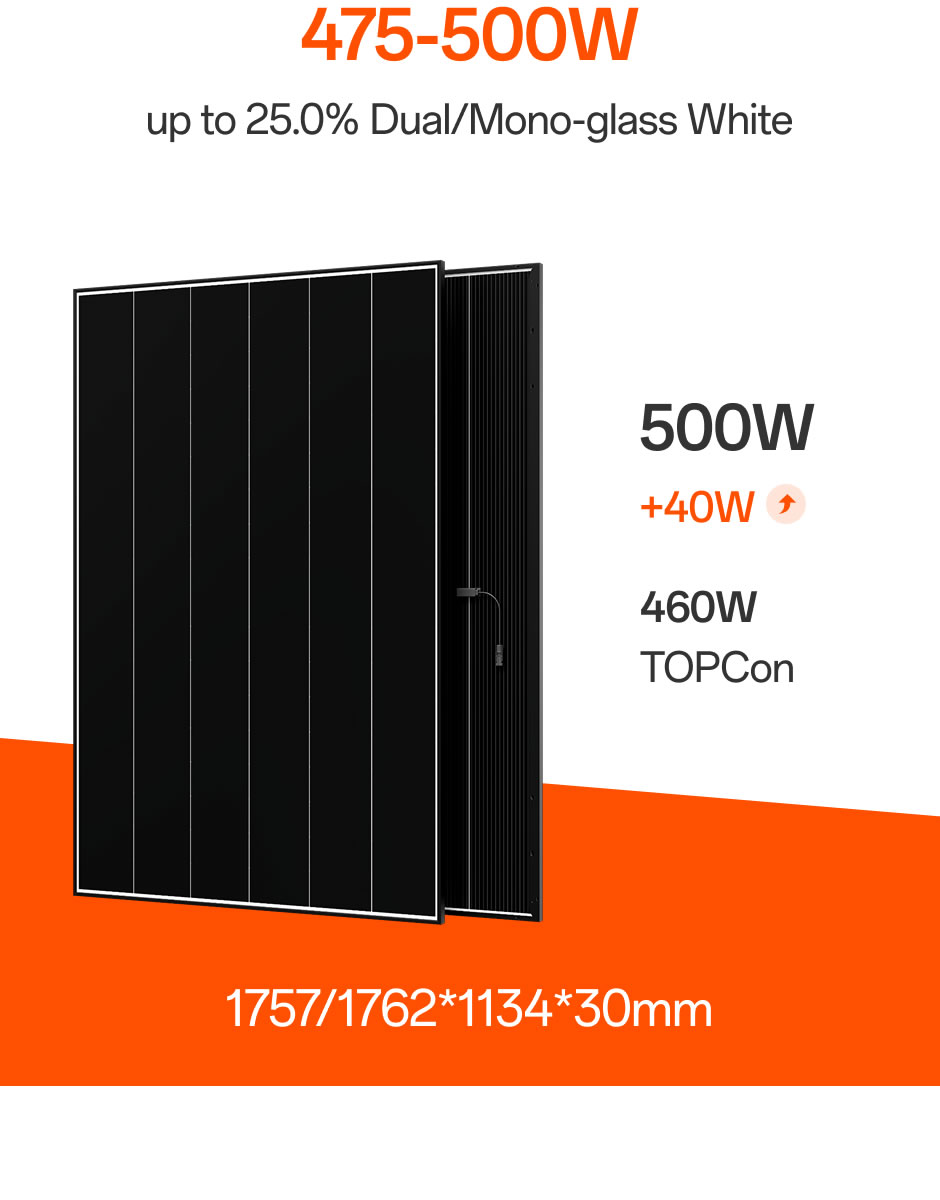
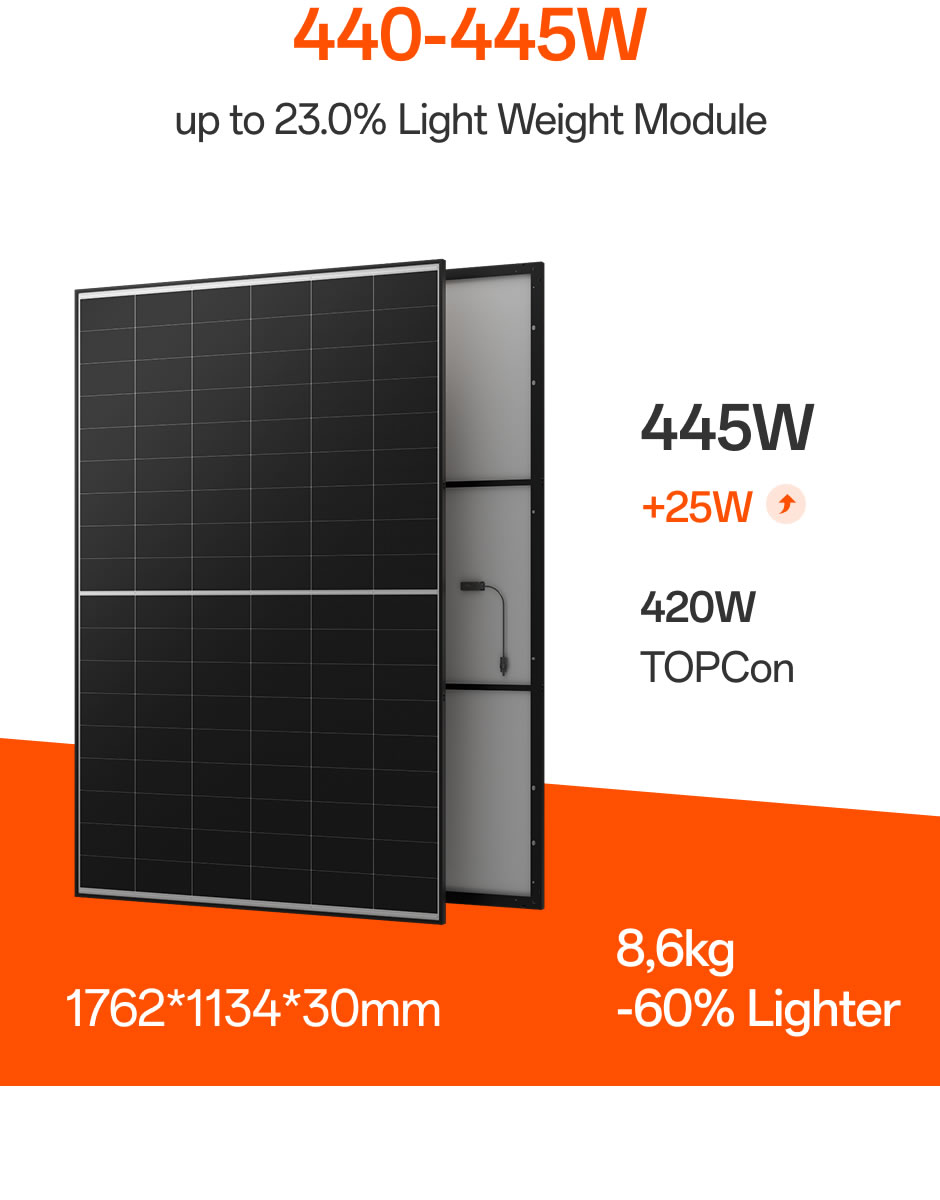
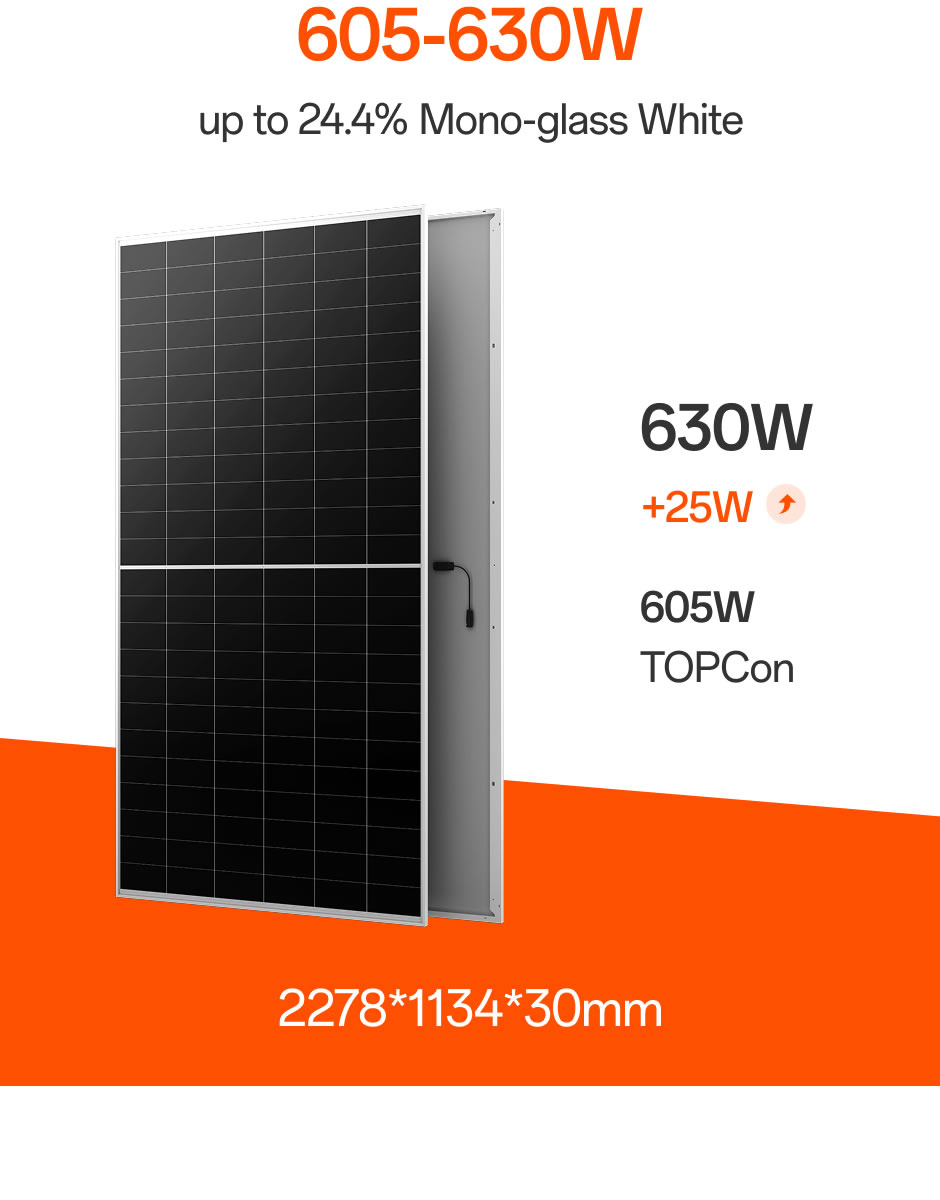
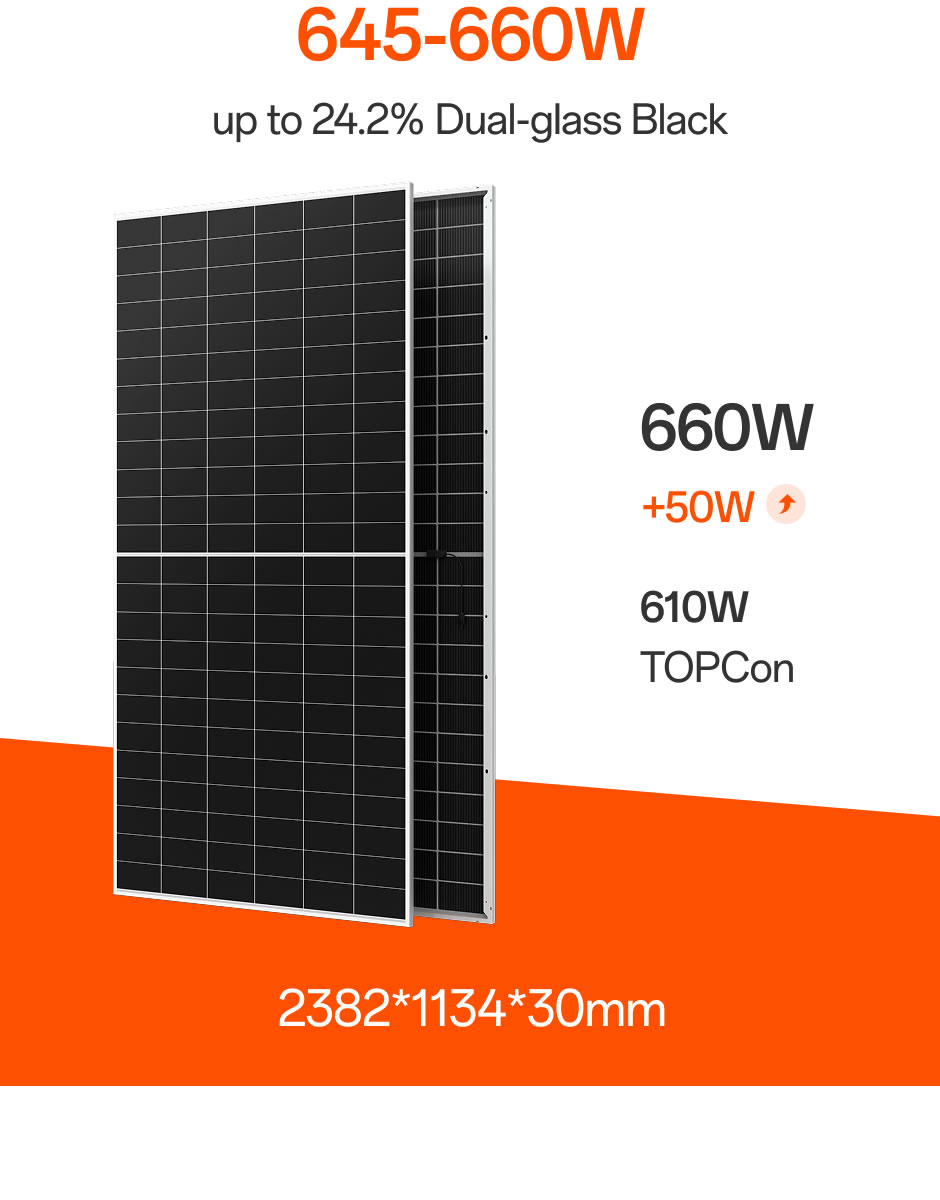
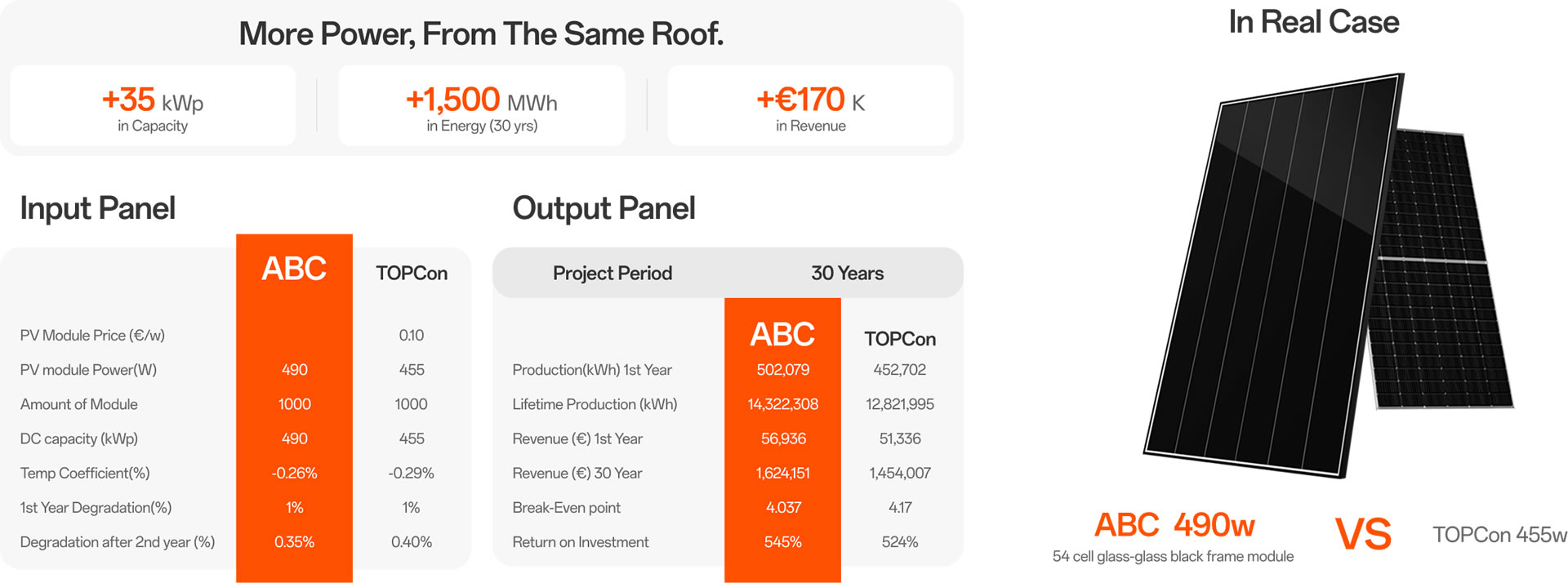
Same Roof Area, Higher Revenue
For Project Owners
Stronger Investment Returns
At the same unit CAPEX,
gain €170k (+11.7%) more in 30-year electricity revenue with AIKO.
For EPCs & Installers
More Power, Higher Revenue
At the same unit CAPEX,
AIKO delivers up to 7.7% higher revenue.
ArcelorMittal Steel Factory:
+5.2% IRR Increase, +€559K Lifetime Revenue

The Ultimate Combo for C&I



We Choose AIKO
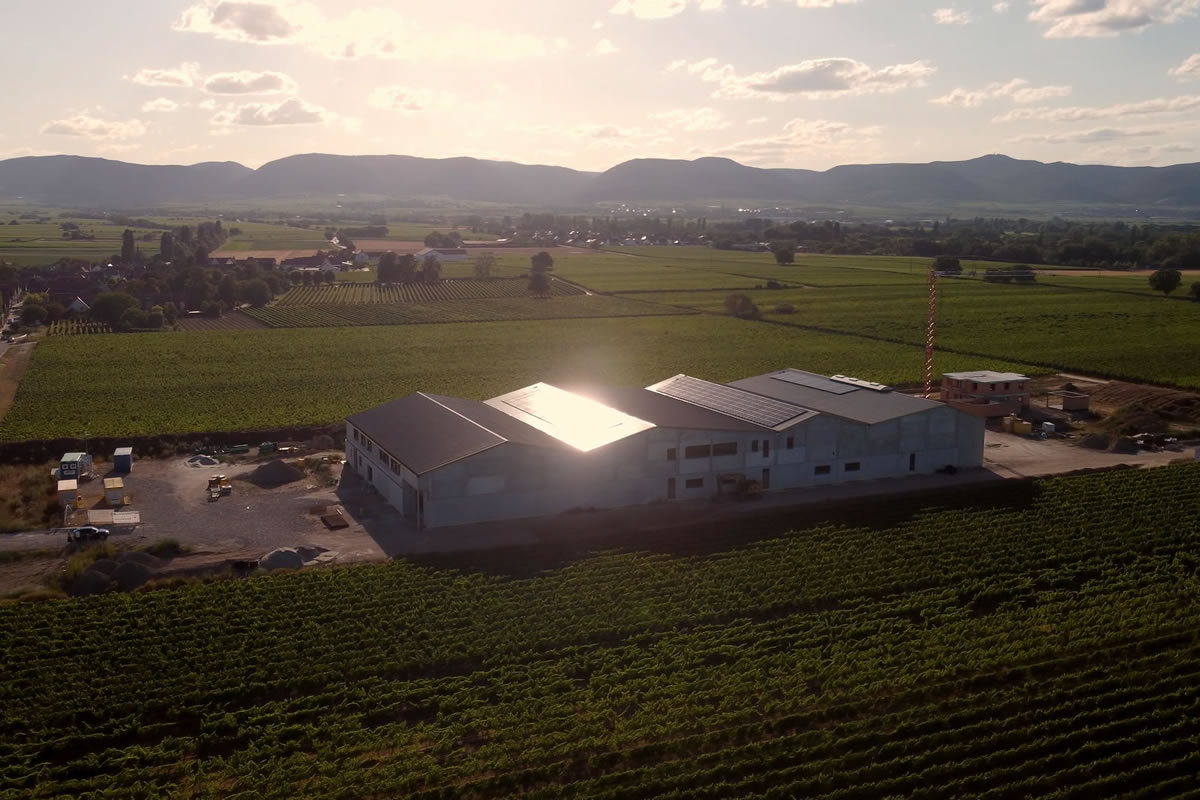
Photovoltaic power generation project for the Ellermann-Spiegel winery in Germany
In the future, we’ll simply generate electricity with our roof from the sun, especially during the summer when we need it the most. This way, we’ll have all the power we need to store our wine at the perfect temperature without any extra costs. That’s why we went with the modules from AlKO, which currently offer the highest efficiency you can get in the market.
——Vintner Ellermann-Spiegel , Frank Spiegel
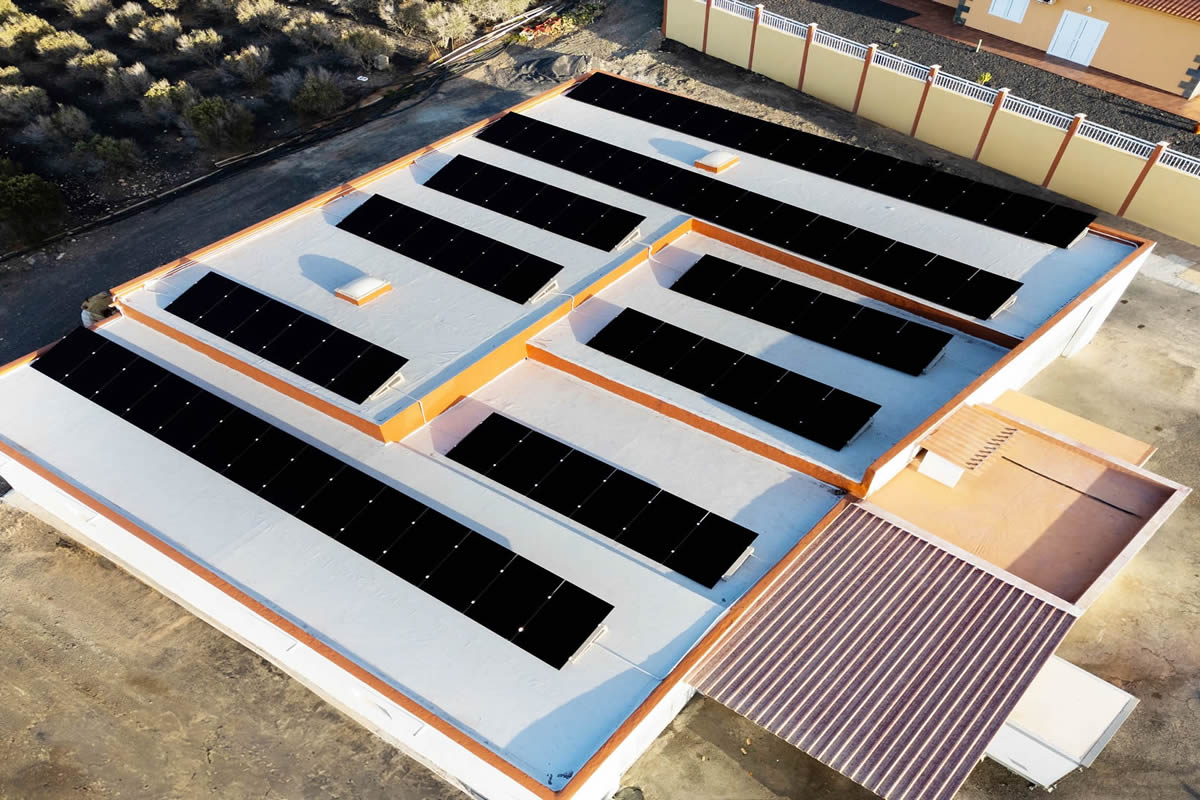
Photovoltaic power generation project for an ecological farm in Spain
The quality-price ratio is what stands out the most about these modules, as they feature the best modules in the market at a very competitive price.
——Installer Mariana del valle Pinto
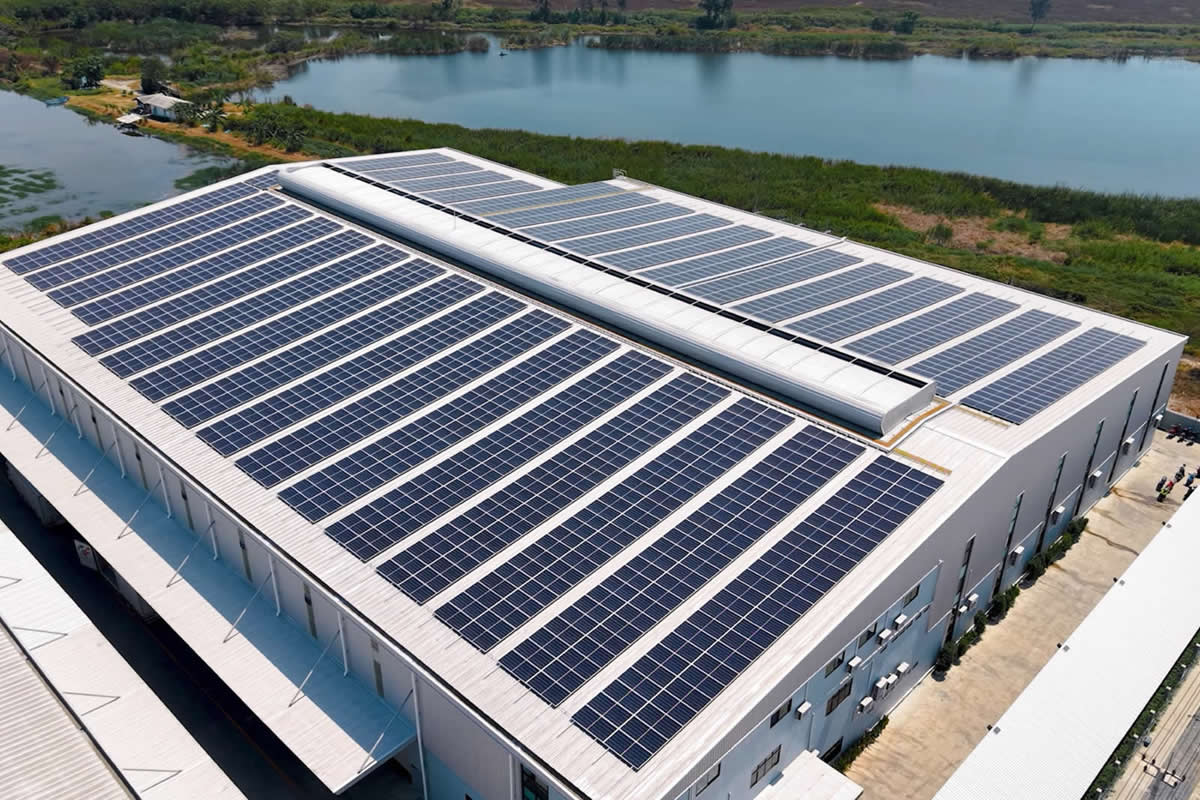
Solar Power Generation System for PVC Shrink Film Factory in Thailand
After installing this AIKO photovoltaic system, the most obvious effect is on our electricity bills. This has been a very significant help in reducing our costs and the results have been very quick to see. This is very beneficial for us. This PVC product has great market competitiveness.
—— General Manager Li Yanzhao

AIKO Unlocks a Constrained System in Australia
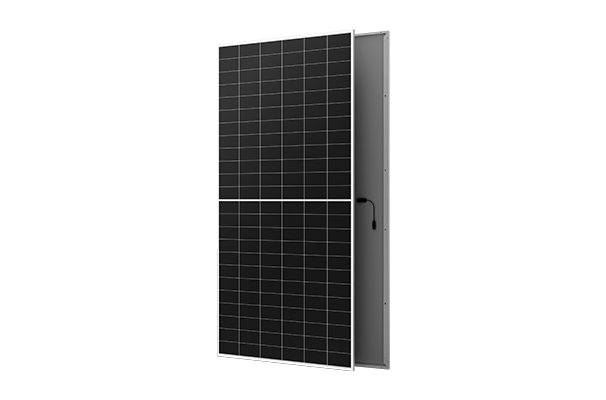
Sonnex had high energy demands but limited roof space and an underpowered grid connection. We needed a module with maximum efficiency and output in a compact size — AIKO’s Neostar 2P 465W was the obvious choice. It offered the highest power in the smallest footprint at the time, allowing us to maximize the system size and performance.
——Co-Director at Exceed Solar Corey Evans


Frequent Asked Questions
Find answers to common questions about AIKO high-efficiency solar products.
01 Are AIKO panels approved for use in Australia?
Yes! AIKO panels are Clean Energy Council (CEC) listed, meet all Australian safety and performance standards, and come with local support and warranty coverage.
02 Can AIKO Solar PV Module be installed in Australia’s cyclone-prone regions such as NT or Northwestern Australia (WA)?
Yes, AIKO Neostar PV modules have successfully passed rigorous cyclone testing, confirming their suitability for installations in cyclone-prone areas of Australia, meeting the requirements for cyclonic regions.
03 Where can I buy AIKO PV Solar Module product in Australia and New Zealand and is it available?
Yes, please contact your AIKO Solar distributor in order to define the order procedures.
04 What is the welding technology of ABC cells?
Traditional cells use Z-shaped welding on both front and back; ABC cell electrodes are all on the back side, adopting linear welding, which makes stress distribution on cells more even. When the module is under external force, the ABC module’s welding strip bears most of the deformation force, thus greatly reducing the risk of cell breakage.
05 What are the naming rules for ABC module product models?
The model consists of 9 parts with 17 characters, example format: AAAA-BPPP-CCXYYZαβ. Meanings and values are:
Position 1-4: Company name (4 chars) code AIKO, a dash “-” follows the name
Position 5-6: Cell technology (1 char, 2 when combined) A ABC(MBB), B PBC(MBB), P PERC, T TOPCon, H HJT/HIT; regular ABC uses A, two chars when technologies combine
Position 7-9: Module power (3 chars) typical 580, 590, 600, a dash “-” follows the power
Position 10-11: Cell size (2 chars) GC 210×210(G12), GR 210×182(G12R), MA 182×182/184/188, MD 182×196, GT 182×214, M6 166×166, MC 182×192
Position 12: Cell slice type (1 char) H Half, T Triple, E Infinite(full-screen)
Position 13-14: Cells in module (2 chars) 78, 72, 66, 60, 54 (numbers show cell count per module)
Position 15: Module type (1 char) M mono-facial, D dual-glass bifacial, T thin/light, P dual-glass mono
Position 16: Module color (1 lower-case char) b black, w white, m mix; omit for frameless dual-glass modules
Position 17: Others (1 char) S Smart Junction Box, O Optimizer, L Laminates; blank if none
Example 1 AIKO-A610-MAH72Mb: AIKO company, A ABC cell, 610 W power, MA 182 mm series cell, H half-cut, 72 cells, M mono-facial, b full-black
Example 2 AIKO-A660-MDE72Dw: AIKO company, A ABC cell, 660 W power, MD 182×196 mm cell, E full-screen, 72 cells, D dual-glass bifacial, w white background white frame
06 What are the main technologies of AIKO Infinite Modules?
The AIKO Infinite Modules integrate five main technologies: ultra-high resistivity wafers, high-efficiency ABC cells, 0BB technology, overlapping soldering technology, and busbar hidden technology. Through the combined effects of overlapping soldering and busbar concealment technology, the AIKO Infinite Modules achieve maximized placement of cells on the module, increasing the proportion of cells in the circuit area to over 99%.
07 How can I verify that my AIKO solar panel is genuine?
Please visit our official verification platform: https://verify.aikosolar.com/#en